White Noise Machines: Do They Really Help You Sleep?
Explore the science behind white noise for sleep, different types of sound machines, who benefits most, and how to choose the right one for your needs.
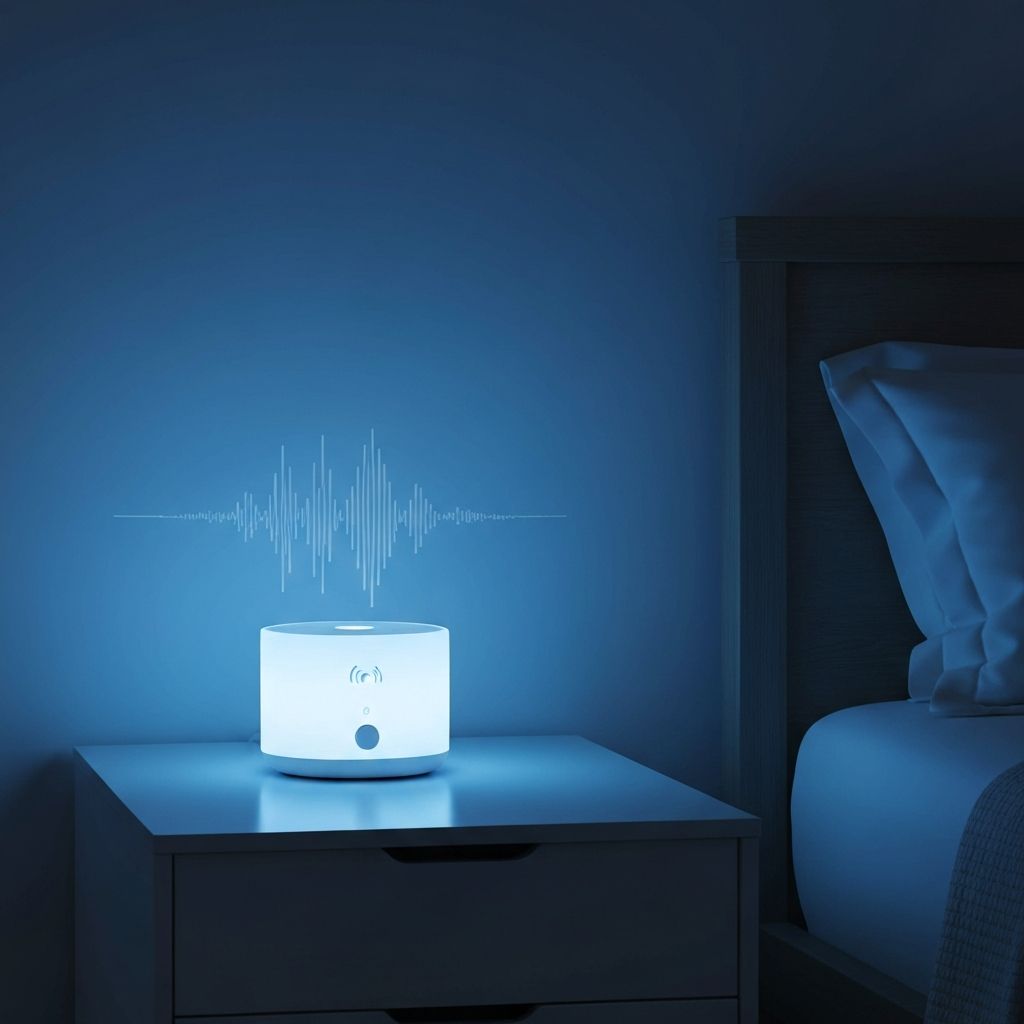
White noise machines have become increasingly popular sleep aids, promising to mask disruptive sounds and create an ideal environment for rest. But do they actually work, and are they right for you?
What Is White Noise?
True white noise contains all frequencies of sound at equal intensity—like the static between radio stations. It creates a consistent sound that can mask other noises because it covers the full range of human hearing.
However, most "white noise" machines actually produce variations:
Pink noise: Deeper, more natural sound (like rain or wind) Brown noise: Even deeper and more rumbling (like a low waterfall) White noise: Higher, hissing quality (like TV static)
Many machines also offer nature sounds like ocean waves, rain, or forest ambience.
The Science Behind Sound Masking
White noise works through a principle called "auditory masking." Your brain can only focus on so many sounds at once. By filling the auditory space with consistent sound, sudden noises (a car door, a dog barking) become less noticeable.
Research Findings
Studies on white noise for sleep show:
- Reduced time to fall asleep in noisy environments
- Decreased number of awakenings from sudden sounds
- Improved sleep for hospital patients in loud wards
- Mixed results for people in quiet environments
Who Benefits Most?
White noise machines aren't universally helpful. They tend to work best for:
People in Noisy Environments
If you live in a city, near a busy road, or have loud neighbors, sound masking can significantly improve sleep quality by reducing the disruptive impact of environmental noise.
Light Sleepers
Some people are more sensitive to sound during sleep. White noise provides a consistent baseline that makes variations less jarring.
Shift Workers
For those sleeping during daytime hours when the world is active, white noise helps create a more isolated sleep environment.
Parents and Babies
Many parents find white noise helps babies sleep—possibly because it mimics sounds from the womb. However, volume levels should be kept low to protect developing hearing.
Choosing the Right Sound
Personal preference matters significantly. Consider:
White vs. Pink vs. Brown Noise
- White noise: Best for masking high-frequency sounds
- Pink noise: More pleasant for many people, some research suggests it may enhance deep sleep
- Brown noise: Good for those who find white noise too harsh
Natural vs. Mechanical Sounds
Some people prefer recognizable sounds like rain or ocean waves, while others find these distracting and prefer pure noise.
Looping vs. Non-Repeating
Cheap machines often have short sound loops that repeat. Some people's brains pick up on the repetition, which can become annoying. Higher-quality machines offer longer or non-repeating sounds.
Features to Consider
When shopping for a white noise machine, evaluate:
Volume range: Should go low enough for your needs and high enough to mask louder sounds Sound options: Multiple sounds let you find what works best Timer options: Useful if you prefer sound only while falling asleep Portability: Important if you travel Power source: Battery, USB, or plug-in Quality: Avoid machines with obvious loops or artificial-sounding output
Apps vs. Dedicated Machines
Smartphone apps offer a free or low-cost alternative to dedicated machines. However, consider:
Advantages of apps:
- Free or cheap
- Always with you
- Huge variety of sounds
Advantages of machines:
- Dedicated purpose (phone stays charging)
- Often better sound quality
- No notifications or disruptions
- Some people prefer keeping phones out of the bedroom
Potential Concerns
Hearing Safety
Keep volumes reasonable, especially for children. The American Academy of Pediatrics suggests infant sound machines should be at least 7 feet from the crib and set below 50 decibels.
Dependency
Some worry about becoming dependent on white noise for sleep. While this can happen, it's generally considered a minor issue compared to poor sleep. If concerned, use timers to wean off gradually.
Masking Important Sounds
Ensure you can still hear important sounds like smoke alarms or a child crying if needed.
Alternatives to White Noise Machines
Other sound-masking options include:
- Fans: Provide white noise plus air circulation
- Air purifiers: Double as sound machines
- Earplugs: Block sound rather than mask it
- Combination: Some people use both earplugs and white noise
The Bottom Line
White noise machines can be genuinely helpful for people struggling with environmental noise or sound sensitivity during sleep. They're a relatively inexpensive, non-pharmaceutical sleep aid worth trying. However, they're not magic—if your sleep problems stem from other causes, white noise alone won't solve them. Consider them one tool in your overall sleep improvement toolkit.
Tags
Written by
Sarah Mitchell
A contributing writer at SleepWell Daily. Our team is dedicated to providing well-researched, accurate, and helpful content to our readers.
Learn more about our teamRelated Articles
Blackout Curtains: Your Guide to a Darker Bedroom
Learn why darkness matters for sleep, how blackout curtains work, what to look for when buying, and installation tips for maximum effectiveness.
The Ideal Bedroom Temperature for Sleep
Discover why temperature matters so much for sleep quality, the optimal range for most people, and products and strategies to achieve the perfect sleep temperature.
Sleep Tracker Guide: What They Measure and How Accurate They Are
Understand how consumer sleep trackers work, what they can and cannot tell you, and how to use this data to improve your sleep.