Sleep Tracker Guide: What They Measure and How Accurate They Are
Understand how consumer sleep trackers work, what they can and cannot tell you, and how to use this data to improve your sleep.
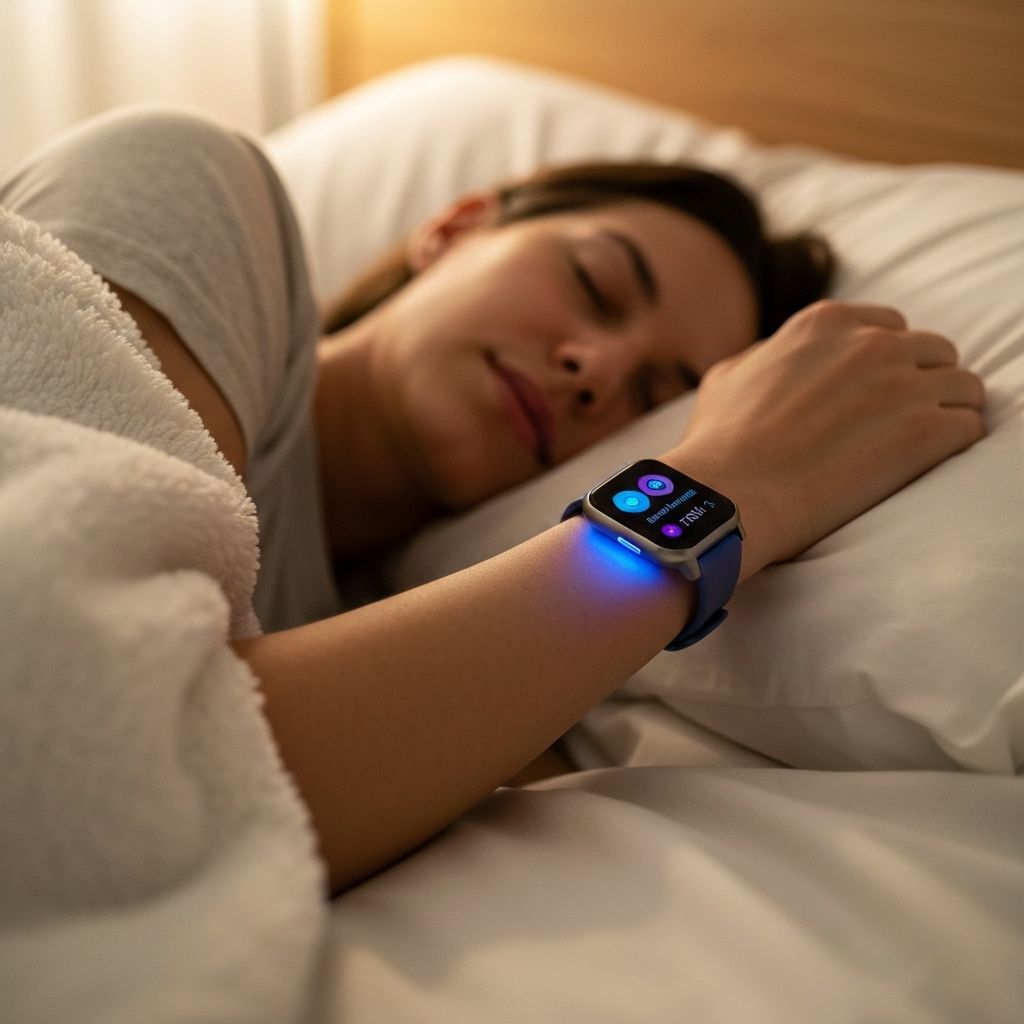
From smartwatches to dedicated rings and bedside sensors, consumer sleep tracking has become increasingly sophisticated and popular. Millions of people now wake up to reports detailing their sleep stages, heart rate patterns, and overall sleep quality scores. But how accurate is this data, and how should you use it?
Understanding both the capabilities and limitations of sleep tracking technology helps you make the most of these tools without becoming overly fixated on metrics that may not perfectly reflect your actual sleep.
How Sleep Trackers Work
Consumer sleep trackers use various sensors to infer information about your sleep. Unlike clinical sleep studies that measure brain waves directly, consumer devices rely on indirect measurements.
Movement Detection (Actigraphy)
Most wrist-worn trackers rely heavily on accelerometers that detect movement. The principle is simple: when you are asleep, you move less than when awake. Periods of minimal movement suggest sleep, while periods of activity suggest wakefulness.
This approach has been used in research for decades and provides reasonable estimates of total sleep time for most people. However, it cannot detect sleep stages with high accuracy and may misinterpret quiet wakefulness as sleep.
Heart Rate Monitoring
Modern trackers incorporate optical heart rate sensors that track pulse through the skin. Heart rate patterns change during sleep, generally decreasing and showing less variability during deep sleep, with more variability during REM sleep.
By combining heart rate data with movement data, trackers can make better-educated guesses about sleep stages than movement alone would allow.
Heart Rate Variability
Heart rate variability (HRV) measures the variation in time between heartbeats. Higher HRV generally indicates good recovery and parasympathetic nervous system activity. Many trackers now incorporate HRV metrics into their sleep and readiness assessments.
Additional Sensors
Some devices include additional sensors:
- Blood oxygen saturation (SpO2): Can detect breathing irregularities that might indicate sleep apnea
- Temperature sensors: Body temperature varies across sleep stages and can indicate illness or hormonal changes
- Sound detection: Bedside devices may use microphones to detect snoring or environmental noise
What Trackers Measure Well
Consumer sleep trackers provide reasonably accurate data for certain metrics.
Total Sleep Time
For most users, modern trackers estimate total sleep time within 30 minutes of actual sleep duration. This level of accuracy proves useful for identifying patterns and ensuring you allocate enough time for sleep.
Sleep Consistency
Trackers effectively show patterns in your sleep schedule, helping you see if you maintain consistent bed and wake times or vary significantly. This pattern data offers valuable insights even if individual night measurements contain some error.
Long-Term Trends
While any single night's data may be imprecise, tracking over weeks and months reveals meaningful trends. Gradual improvements or deteriorations in sleep metrics become apparent over time.
Movement and Restlessness
Trackers accurately detect movement, so metrics related to restlessness and nighttime activity are relatively reliable.
Where Accuracy Falls Short
Understanding tracker limitations helps you interpret data appropriately.
Sleep Stage Classification
Consumer trackers struggle to accurately classify sleep stages compared to clinical polysomnography (the gold standard). Studies comparing consumer devices to clinical sleep studies typically show:
- Deep sleep: Often overestimated or underestimated by 10-20 minutes or more
- REM sleep: Moderate accuracy but significant night-to-night variation
- Wake time: May miss brief awakenings, especially if you lie still
The sleep stage percentages your tracker shows should be viewed as rough estimates rather than precise measurements.
Sleep Quality Scores
The "sleep score" or "sleep quality" number that many trackers provide is a proprietary calculation that varies between brands. These scores can be useful for spotting trends but represent the company's interpretation of data rather than an objective measure of sleep quality.
Detecting Sleep Disorders
Consumer trackers cannot diagnose sleep disorders. While some devices can flag potential concerns like irregular breathing patterns, proper diagnosis requires clinical evaluation. Never rely solely on consumer device data for health decisions.
Types of Sleep Trackers
Different form factors offer different trade-offs in convenience, comfort, and capabilities.
Wrist-Based Trackers
Smartwatches and fitness bands represent the most common category. They track movement, heart rate, and increasingly, blood oxygen levels.
Advantages: Multipurpose devices you may already own, consistent contact with skin for heart rate. Disadvantages: Some people find wrist wear uncomfortable for sleep, may interfere with partners.
Ring Trackers
Smart rings like Oura have become popular for sleep tracking. They track similar metrics to wrist devices but in a smaller form factor.
Advantages: Smaller and lighter, some find them more comfortable than wrist wear. Disadvantages: Dedicated sleep devices (single purpose), sizing can be tricky, typically expensive.
Bedside and Under-Mattress Devices
These devices sit on the nightstand or under the mattress, requiring no body contact.
Advantages: Nothing to wear, can track room environment. Disadvantages: Cannot track heart rate as precisely, may detect partner movement, less portable.
Mattress-Integrated Systems
Some mattresses or mattress pads include built-in sleep tracking.
Advantages: Completely passive, no charging required. Disadvantages: Expensive, tied to specific mattress, difficult to troubleshoot.
Using Sleep Data Effectively
The value of sleep tracking lies not in obsessing over individual metrics but in using data to support better sleep habits.
Focus on Actionable Patterns
Look for patterns you can act on:
- Consistently insufficient sleep time suggests scheduling changes
- Poor sleep on certain nights might connect to activities, foods, or stress
- Improving trends indicate your changes are working
Avoid Orthosomnia
Orthosomnia describes the phenomenon of becoming so focused on achieving perfect sleep metrics that the anxiety about sleep data actually worsens sleep. If checking your sleep score causes stress, consider reducing how often you review data.
Use Data for Conversation
Sleep tracking data can be valuable when discussing sleep concerns with healthcare providers. Trends over time provide more useful information than isolated measurements.
Experiment and Track
Sleep trackers work well for personal experiments. Try a change (earlier bedtime, reduced caffeine, new pillow) and observe whether your sleep metrics improve over the following weeks.
Making the Most of Your Tracker
To get useful data from sleep tracking:
- Wear the device consistently for accurate trend data
- Ensure proper fit for accurate heart rate readings
- Review weekly averages rather than fixating on individual nights
- Pair data with subjective assessment of how you actually feel
- Remember that feeling rested matters more than any score
Sleep trackers offer valuable windows into sleep patterns when used thoughtfully. They work best as tools for awareness and motivation rather than sources of anxiety or definitive health assessment.
Tags
Written by
Sarah Mitchell
A contributing writer at SleepWell Daily. Our team is dedicated to providing well-researched, accurate, and helpful content to our readers.
Learn more about our teamRelated Articles
Weighted Blankets: Benefits, Science, and How to Choose
Explore the research behind weighted blankets, understand who benefits most, and learn how to select the right weight and material for your needs.
Best Pillows for Every Sleep Position: A Complete Guide
Find your perfect pillow match based on how you sleep. Learn which pillow types and lofts work best for side, back, and stomach sleepers.
How to Choose the Right Mattress: A Complete Buying Guide
Navigate the mattress market with confidence using our comprehensive guide to mattress types, firmness levels, and features that matter most.