Weighted Blankets: Benefits, Science, and How to Choose
Explore the research behind weighted blankets, understand who benefits most, and learn how to select the right weight and material for your needs.
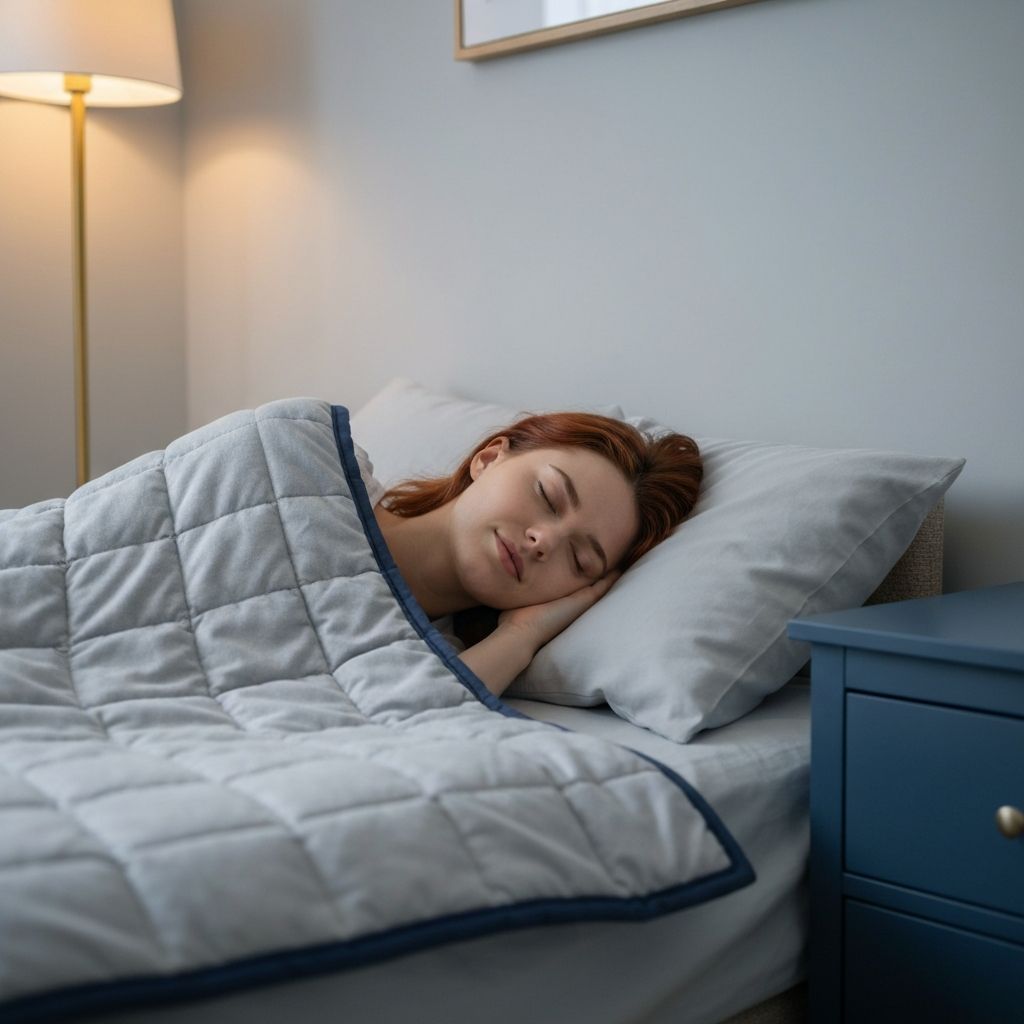
Weighted blankets have grown from a therapeutic tool used primarily in clinical settings to a mainstream sleep product embraced by millions. These heavier-than-average blankets typically weigh between 15 and 25 pounds and are designed to provide gentle, distributed pressure across the body during rest.
But do weighted blankets actually improve sleep, or are they simply a passing trend? Understanding the science behind deep pressure stimulation helps explain both the genuine benefits and the limitations of these popular products.
How Weighted Blankets Work
Weighted blankets operate on the principle of deep pressure stimulation (DPS), also called deep touch pressure. This refers to the calming sensation produced by firm but gentle pressure applied evenly across the body.
The Science of Deep Pressure
Deep pressure stimulation activates the parasympathetic nervous system, the branch responsible for rest-and-digest functions. This activation can reduce heart rate, lower blood pressure, and decrease cortisol levels.
The pressure also promotes the release of serotonin and dopamine, neurotransmitters associated with mood regulation and feelings of calm. Serotonin, in particular, serves as a precursor to melatonin, the hormone that helps regulate sleep timing.
The Hug Comparison
The sensation of a weighted blanket is often compared to being hugged or held. This similarity is not coincidental, as hugging and similar forms of firm touch also activate deep pressure pathways. For people who find physical comfort soothing, weighted blankets can provide a similar sensation throughout the night.
Research on Sleep Benefits
Scientific research on weighted blankets has increased significantly in recent years, though the field remains relatively young compared to other sleep interventions.
Insomnia Studies
Several studies have examined weighted blankets for insomnia. One notable Swedish study published in the Journal of Clinical Sleep Medicine found that participants using weighted blankets showed significantly improved sleep and reduced insomnia symptoms compared to a control group. Participants also reported reduced daytime fatigue and improved daytime activity.
Anxiety-Related Benefits
Much of the research on weighted blankets has focused on anxiety, which frequently co-occurs with sleep difficulties. Studies have found reduced anxiety levels in various settings, including dental procedures, hospital stays, and general anxiety assessment.
Since anxiety often interferes with sleep onset, reducing anxiety may indirectly improve sleep for many users.
Study Limitations
It is worth noting that many weighted blanket studies have limitations. Blinding is difficult because participants can feel whether they have a heavy blanket. Placebo effects may contribute to positive findings. More rigorous research continues to emerge, but current evidence, while promising, is not definitive.
Who Benefits Most
While many people enjoy weighted blankets, certain groups may benefit more than others.
Anxiety and Stress
People who experience anxiety, chronic stress, or racing thoughts at bedtime often report significant benefits from weighted blankets. The calming effect of deep pressure can help quiet an overactive mind and ease the transition to sleep.
Restlessness
Those who toss and turn or feel restless at night may find that the weight provides a grounding sensation that reduces movement and promotes stillness.
Sensory Processing Differences
Individuals with autism, ADHD, or sensory processing differences have long used weighted blankets as therapeutic tools. The deep pressure can help regulate sensory input and promote calm.
Who Should Exercise Caution
Weighted blankets are not appropriate for everyone:
- Children under 2 years old should not use weighted blankets due to suffocation risk
- People with respiratory conditions may find the weight uncomfortable or restrictive
- Those with circulatory issues should consult healthcare providers before use
- Individuals who feel claustrophobic under weight may not tolerate these blankets
Choosing the Right Weighted Blanket
Selecting an appropriate weighted blanket involves considering weight, size, fill material, and cover fabric.
Weight Guidelines
The general recommendation is selecting a blanket that weighs approximately 10 percent of your body weight. A 150-pound person would choose a 15-pound blanket, while a 200-pound person would choose a 20-pound blanket.
These guidelines provide a starting point, but personal preference matters. Some people prefer slightly lighter or heavier options. If choosing between weights, starting lighter is often advisable, as you can always exchange for heavier if needed.
Size Considerations
Weighted blankets are typically sized to cover the person rather than the entire bed. This differs from regular blankets and bedding.
Twin or throw size: Suitable for individual use and easier to handle. Full or queen size: Can cover more area but becomes significantly heavier and harder to move.
For shared beds, many people prefer individual weighted blankets rather than one large one, as weight preferences often differ between partners.
Fill Materials
The weight in weighted blankets comes from various fill materials:
Glass beads: The most popular option. Small, smooth, and dense, allowing for thinner blanket construction. Generally quiet and shift less than alternatives.
Plastic pellets: Less expensive but larger and noisier. May create a bulkier blanket.
Steel shot beads: Very dense but can be noisy and may rust if blanket gets wet.
Natural fills: Some blankets use materials like sand or rice, but these can absorb moisture and develop odors.
Cover Fabrics
The outer fabric affects temperature regulation and feel:
Cotton: Breathable and natural, good for warm sleepers. Minky or fleece: Soft and cozy but warmer, better for those who sleep cool. Bamboo: Moisture-wicking and temperature-regulating. Cooling fabrics: Some blankets feature specialized cooling covers for hot sleepers.
Using Your Weighted Blanket
Getting the most benefit from a weighted blanket involves proper use and care.
Adjustment Period
Some people love weighted blankets immediately, while others need an adjustment period. If the weight feels unfamiliar, try using the blanket during relaxation before bed, gradually increasing nighttime use as you become accustomed to the sensation.
Positioning
Most people drape the blanket from chest to feet, leaving the head free. Some prefer the blanket pulled up to the chin. Experiment to find what feels most comfortable.
Care and Maintenance
Check manufacturer guidelines for washing. Many weighted blankets have removable covers that can be washed regularly, with the weighted inner portion requiring less frequent cleaning. Due to weight, some blankets may not fit in home washing machines and require commercial machines or professional cleaning.
Realistic Expectations
Weighted blankets can be a helpful sleep tool for many people, but they are not a cure-all. They work best as part of an overall approach to better sleep that includes good sleep hygiene, appropriate sleep environment, and addressing any underlying sleep disorders.
If you struggle with significant insomnia or sleep disorders, consult with a healthcare provider rather than relying solely on products like weighted blankets.
For those who enjoy the sensation of gentle pressure and find it calming, weighted blankets offer a simple, non-pharmaceutical option that may meaningfully improve sleep comfort and quality.
Tags
Written by
Sarah Mitchell
A contributing writer at SleepWell Daily. Our team is dedicated to providing well-researched, accurate, and helpful content to our readers.
Learn more about our teamRelated Articles

Sleep Tracker Guide: What They Measure and How Accurate They Are
Understand how consumer sleep trackers work, what they can and cannot tell you, and how to use this data to improve your sleep.
Best Pillows for Every Sleep Position: A Complete Guide
Find your perfect pillow match based on how you sleep. Learn which pillow types and lofts work best for side, back, and stomach sleepers.
How to Choose the Right Mattress: A Complete Buying Guide
Navigate the mattress market with confidence using our comprehensive guide to mattress types, firmness levels, and features that matter most.