The Complete Sleep Mask Buying Guide
From materials to fit, discover everything you need to know about choosing a sleep mask that blocks light effectively without causing discomfort.
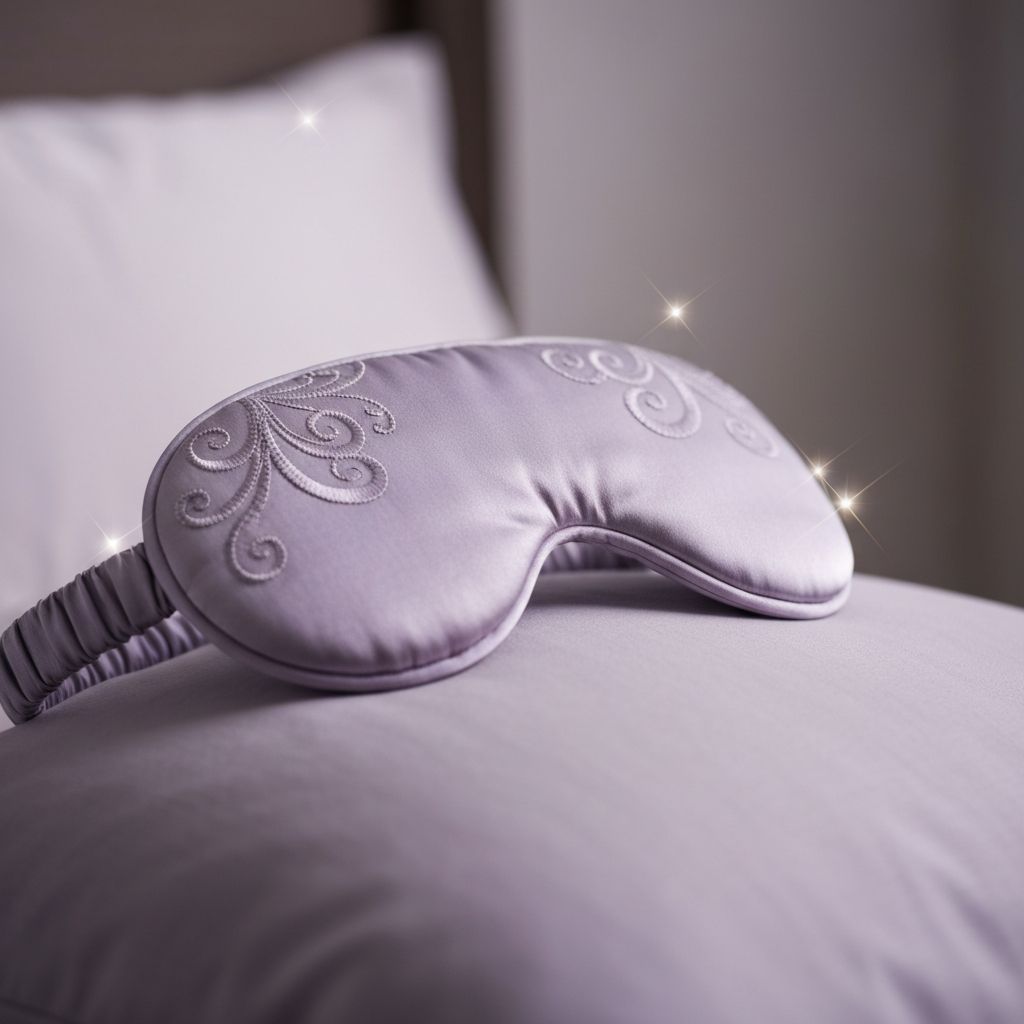
Sleep masks are the most portable and affordable way to create darkness for sleep. Whether you're a light-sensitive sleeper, frequent traveler, or napper, the right sleep mask can significantly improve your rest. This guide helps you find the perfect mask for your needs.
Why Use a Sleep Mask?
Even small amounts of light can disrupt your sleep. Research shows that light exposure during sleep:
- Suppresses melatonin production
- Reduces time in restorative deep sleep
- May affect metabolic health
A sleep mask provides portable, immediate darkness regardless of your environment.
Types of Sleep Masks
Flat Masks
The traditional style lies flat across your eyes. They're typically the most affordable and compact for travel.
Pros: Lightweight, inexpensive, easy to pack Cons: May press on eyelids, some light leaks at edges
Contoured/3D Masks
These have molded cups that create space around your eyes. Your eyelids don't touch the mask.
Pros: Comfortable for extended wear, allows eye movement during REM sleep, no eyelash crushing Cons: Bulkier, may not pack as flat, typically more expensive
Weighted Masks
These contain light weights (often microbeads or flaxseed) that apply gentle pressure around the eyes.
Pros: May reduce tension and promote relaxation, some find the pressure soothing Cons: Heavier, may be uncomfortable for some, not ideal for travel
Cooling/Heated Masks
Designed to be chilled or warmed before use.
Pros: Can help with eye puffiness, headaches, or relaxation Cons: Requires preparation, not purely for sleep
Materials Matter
Silk
Natural silk is smooth, breathable, and gentle on skin.
Pros: Feels luxurious, temperature-regulating, hypoallergenic, good for sensitive skin Cons: Expensive, requires gentle washing, may be less durable
Satin
Often polyester-based but mimics silk's smoothness.
Pros: Affordable alternative to silk, easy care, widely available Cons: Less breathable than natural fibers, may not be as gentle on skin
Cotton
Natural, breathable, and widely available.
Pros: Affordable, easy to wash, good for sensitive skin Cons: May not feel as smooth, can absorb moisture
Memory Foam
Common in contoured masks.
Pros: Molds to face shape, comfortable padding, blocks light well Cons: Can trap heat, may break down over time, some have off-gassing smell initially
Bamboo
Made from bamboo-derived fibers.
Pros: Naturally antibacterial, moisture-wicking, eco-friendly Cons: Quality varies, may wrinkle easily
Fit and Comfort Features
Strap Design
Single elastic strap: Simple but may slip or tangle in hair Dual straps: More secure, distributes pressure, may be bulkier Adjustable velcro: Customizable fit, may catch on hair Hook and loop: Easy on/off, secure fit
Nose Bridge
Look for:
- Adjustable nose pieces that mold to your face
- Adequate padding in the nose area
- Deep enough nose cavities to prevent light leaks
Head Size Accommodation
Check that straps are adjustable enough for your head size. Most masks fit head circumferences of 20-24 inches, but some accommodate larger or smaller heads.
Key Features to Consider
Light Blocking
The most important factor. Look for:
- Deep nose bridge design
- Contoured edges that follow facial contours
- Quality materials with no thin spots
Breathability
Important if you sleep warm or have sensitive skin. Natural fibers and ventilated designs help.
Durability
Consider:
- Strap quality and attachment points
- Washability
- Material longevity
Sound Blocking
Some masks incorporate ear coverage or work with earplugs. Useful for travel or noisy environments.
Special Use Cases
Travel
Prioritize:
- Compact packing
- Case included
- Light weight
- Durable construction
Side Sleepers
Look for:
- Low-profile design
- Soft, flexible materials
- Secure straps that won't shift
Hot Sleepers
Choose:
- Breathable materials (silk, bamboo)
- Ventilation features
- Lightweight construction
Makeup Wearers
Contoured masks keep fabric away from eyes, preventing mascara smudges or skin product transfer.
Common Problems and Solutions
Light Leaks at Nose
Try masks with adjustable nose wire or deeper nose cavities. Some people add a small piece of soft fabric.
Strap Discomfort
Look for wider, padded straps or dual-strap designs that distribute pressure.
Slipping Off
Try adjustable straps or masks with ear loops in addition to head straps.
Too Much Pressure on Eyes
Switch to a contoured design that creates space for your eyes.
Price Ranges
Budget ($5-15): Basic flat masks, often adequate for occasional use Mid-range ($15-30): Quality contoured masks, better materials Premium ($30-60+): Silk construction, advanced features, designer brands
The Bottom Line
The best sleep mask is one you'll actually use. Prioritize comfort and light blocking, then consider materials and special features based on your needs. Don't hesitate to try a few options—the difference between an okay mask and a great one can significantly impact your sleep quality.
Tags
Written by
Sarah Mitchell
A contributing writer at SleepWell Daily. Our team is dedicated to providing well-researched, accurate, and helpful content to our readers.
Learn more about our teamRelated Articles
Blackout Curtains: Your Guide to a Darker Bedroom
Learn why darkness matters for sleep, how blackout curtains work, what to look for when buying, and installation tips for maximum effectiveness.
Sleep Tracker Guide: What They Measure and How Accurate They Are
Understand how consumer sleep trackers work, what they can and cannot tell you, and how to use this data to improve your sleep.
Weighted Blankets: Benefits, Science, and How to Choose
Explore the research behind weighted blankets, understand who benefits most, and learn how to select the right weight and material for your needs.