Relaxation Techniques for Better Sleep: Evidence-Based Methods
Learn proven relaxation techniques including progressive muscle relaxation, deep breathing, and visualization to calm your mind and body before bed.
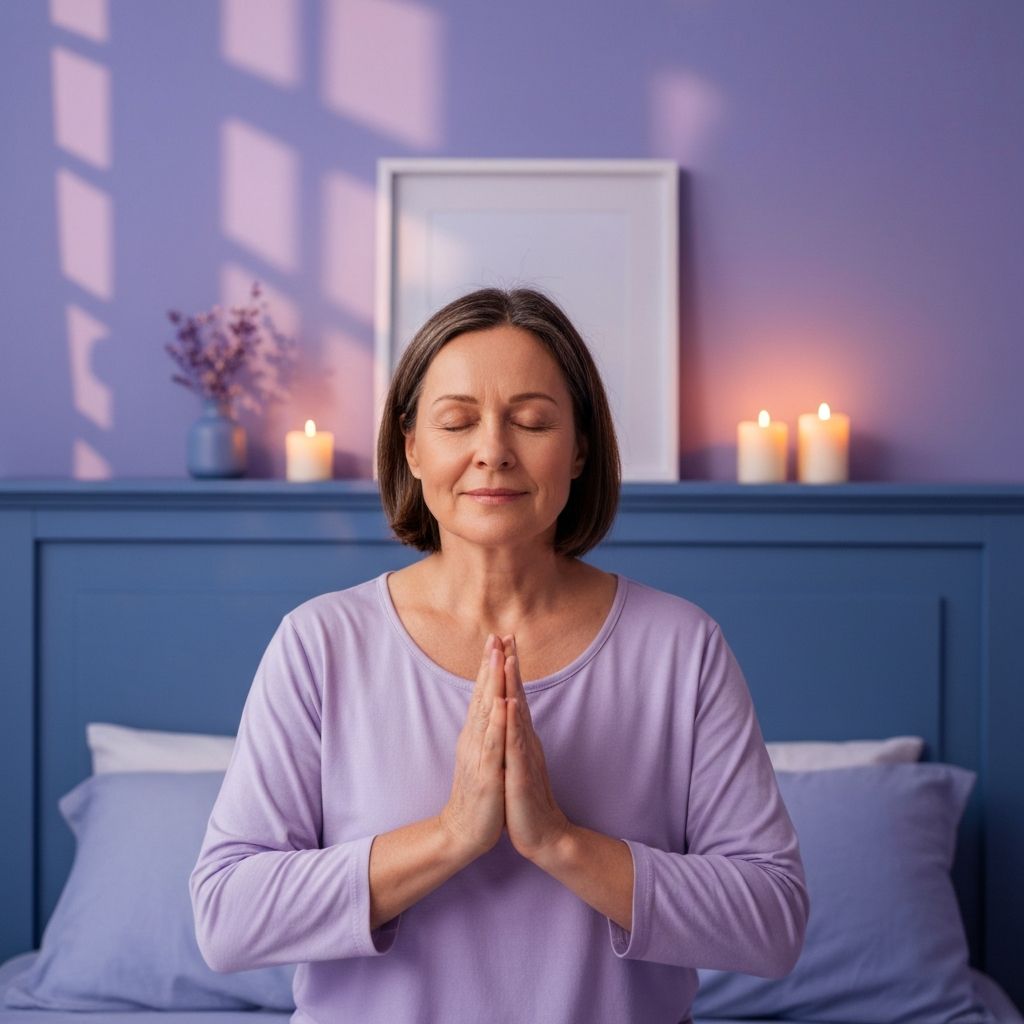
Many sleep difficulties stem not from physical problems but from an inability to transition from the alertness of daily life to the calm state required for sleep. Racing thoughts, physical tension, and lingering stress can keep you awake long after you climb into bed.
Relaxation techniques offer a practical solution. These methods help shift your nervous system from the fight-or-flight state that characterizes much of modern life to the rest-and-digest state that allows sleep to occur naturally.
Why Relaxation Matters for Sleep
Understanding the physiological basis for relaxation techniques helps explain why they work and motivates consistent practice.
The Stress-Sleep Connection
Stress activates the sympathetic nervous system, releasing cortisol and adrenaline that promote alertness. While helpful for handling daytime challenges, this activation becomes problematic at bedtime. An alert nervous system resists sleep.
Relaxation techniques activate the parasympathetic nervous system, the counterbalancing branch that promotes calm. This activation slows heart rate, decreases blood pressure, and signals to the body that it is safe to rest.
Breaking the Anxiety Cycle
For many people, difficulty sleeping creates anxiety about sleep, which further impairs sleep. This self-reinforcing cycle can feel impossible to escape. Relaxation techniques interrupt this cycle by providing something constructive to do when sleep does not come easily, reducing the frustrated alertness that perpetuates sleeplessness.
Progressive Muscle Relaxation
Progressive muscle relaxation (PMR) systematically releases physical tension throughout the body. This technique, developed in the 1920s, remains one of the most studied and effective relaxation methods.
How It Works
PMR involves tensing specific muscle groups briefly, then releasing that tension and noticing the resulting relaxation. The contrast between tension and release makes the relaxation more apparent and complete than simply trying to relax muscles directly.
Basic PMR Practice
Work through these muscle groups, spending about 5-10 seconds tensing, then 20-30 seconds relaxing each:
Feet: Curl your toes tightly, then release. Calves: Point your toes away from you, tensing the calf muscles, then release. Thighs: Squeeze your thigh muscles, then release. Buttocks: Clench your buttocks, then release. Abdomen: Tighten your stomach muscles, then release. Hands: Make tight fists, then release. Forearms: Bend wrists to tense forearms, then release. Upper arms: Flex biceps, then release. Shoulders: Raise shoulders toward ears, then release. Face: Scrunch facial muscles (forehead, eyes, mouth), then release.
Tips for Effective PMR
- Practice in a comfortable position, either lying down or reclined
- Keep breathing steady throughout; avoid holding your breath during tension
- Focus attention on the contrast between tension and relaxation
- If certain areas hold persistent tension, return to them for a second round
- Regular practice makes the technique more effective over time
Deep Breathing Techniques
Controlled breathing directly activates the parasympathetic nervous system through the vagus nerve. Various breathing patterns can promote relaxation, with some research suggesting certain methods are particularly effective.
4-7-8 Breathing
This technique, popularized by Dr. Andrew Weil, uses a specific pattern believed to promote relaxation:
- Exhale completely through your mouth
- Inhale quietly through your nose for 4 counts
- Hold your breath for 7 counts
- Exhale completely through your mouth for 8 counts
- Repeat for 3-4 cycles
The extended exhale activates parasympathetic response more strongly than equal inhale and exhale durations.
Diaphragmatic Breathing
Also called belly breathing, this technique ensures full, deep breaths that maximize relaxation:
- Place one hand on your chest and one on your belly
- Breathe in slowly through your nose, directing breath so your belly rises while your chest stays relatively still
- Exhale slowly through your mouth or nose, feeling your belly fall
- Continue for several minutes, focusing on the rhythm and sensation
Box Breathing
This simple pattern works well for those who prefer symmetrical timing:
- Inhale for 4 counts
- Hold for 4 counts
- Exhale for 4 counts
- Hold for 4 counts
- Repeat
Counting provides a focus for attention, helping quiet racing thoughts.
Visualization and Imagery
Mental imagery harnesses the mind's ability to create calming internal experiences that counteract the stress responses keeping you awake.
Basic Peaceful Scene Visualization
Create a detailed mental image of a peaceful, safe place:
- Choose a setting that feels calming (beach, forest, mountain meadow, cozy room)
- With eyes closed, build the scene in rich detail
- Engage all senses: What do you see? Hear? Smell? Feel?
- Place yourself within the scene, not observing from outside
- Allow yourself to experience the peace and safety of this place
The more vivid and engaging the imagery, the more effectively it redirects attention from worries.
Body Scan Meditation
This technique combines attention to physical sensations with progressive relaxation:
- Lie comfortably with eyes closed
- Bring attention to your feet, noticing any sensations without judging
- Gradually move attention up through your body: ankles, calves, knees, thighs, and so on
- At each area, simply notice sensations and allow muscles to soften
- Continue until you have scanned your entire body
Body scanning combines physical relaxation with mindfulness, quieting both body and mind.
Cognitive Techniques
Sometimes relaxation requires addressing the thoughts that drive sleeplessness rather than physical tension alone.
Thought Dumping
Racing thoughts often persist because we fear forgetting important items. Writing these thoughts down externalizes them:
- Keep paper and pen (not a phone) beside your bed
- When thoughts prevent sleep, write them down briefly
- Remind yourself they are captured and can be addressed tomorrow
- Return to a relaxation technique
This simple act often relieves the sense of urgency that keeps thoughts cycling.
Worry Scheduling
If you find yourself worrying at bedtime, designate a specific "worry time" earlier in the day:
- Set aside 15-20 minutes in the early evening for worry
- During this time, actively think through concerns and jot down any actions needed
- When worries arise at bedtime, remind yourself they have been addressed or will wait until the next scheduled worry time
This technique contains worry rather than letting it spill into sleep time.
Building a Relaxation Routine
For maximum benefit, integrate relaxation techniques into a consistent pre-sleep routine.
Start Early
Begin relaxation practices 30-60 minutes before bed, not only after you are already lying awake frustrated. This proactive approach prevents the alert state that makes sleep difficult.
Combine Techniques
A typical routine might include light stretching, followed by a few minutes of deep breathing, then progressive muscle relaxation as you lie down. Experiment to find the combination that works best for you.
Practice Consistently
Like any skill, relaxation techniques improve with practice. Even if early attempts feel awkward or ineffective, regular practice makes the techniques more automatic and effective over time.
Maintain Realistic Expectations
Relaxation techniques are not instant sleep switches. They create conditions favorable to sleep and reduce barriers to sleep. Some nights they will work quickly; other nights sleep may still take time. The goal is overall improvement, not perfection.
With consistent practice, relaxation techniques become powerful tools for transitioning from daily stress to restful sleep, giving you active control over a process that often feels frustratingly passive.
Tags
Written by
Sarah Mitchell
A contributing writer at SleepWell Daily. Our team is dedicated to providing well-researched, accurate, and helpful content to our readers.
Learn more about our teamRelated Articles
Meditation for Sleep: Techniques That Actually Work
Learn evidence-based meditation techniques specifically designed to help you fall asleep faster and sleep more deeply, from body scans to guided imagery.
Creating a Bedtime Routine That Actually Works
Design an effective wind-down routine that signals your body it's time for sleep. Science-backed strategies for transitioning from wakefulness to restful sleep.

Breaking the Stress-Sleep Cycle: How to Rest When Worried
Understand the bidirectional relationship between stress and sleep, and learn strategies to break the cycle and achieve restorative rest.