Breaking the Stress-Sleep Cycle: How to Rest When Worried
Understand the bidirectional relationship between stress and sleep, and learn strategies to break the cycle and achieve restorative rest.

Stress and sleep share a frustrating bidirectional relationship. Stress makes sleeping difficult, and poor sleep increases stress reactivity, creating a cycle that can feel impossible to escape. Understanding this connection and having concrete strategies to address it can help restore the restorative rest your body and mind need.
The Stress-Sleep Connection
Both acute stress (temporary anxiety about specific events) and chronic stress (ongoing elevated stress levels) significantly impact sleep. Understanding these effects helps explain why stressed sleep feels so difficult.
How Stress Disrupts Sleep
When stressed, your body activates the hypothalamic-pituitary-adrenal (HPA) axis, releasing cortisol and other stress hormones. These hormones serve important functions during waking hours, promoting alertness and readiness to respond to challenges.
At bedtime, however, elevated stress hormones work directly against sleep. Cortisol suppresses melatonin, the hormone that signals sleep readiness. The heightened arousal state keeps your nervous system in alert mode when it should be transitioning to rest.
How Poor Sleep Increases Stress
The relationship works both ways. Sleep deprivation affects the prefrontal cortex, the brain region responsible for emotional regulation. With reduced prefrontal function, the emotional brain (particularly the amygdala) becomes hyperactive, making you more reactive to stressors that you might otherwise handle calmly.
Additionally, sleep deprivation impairs the recovery processes that help your body return to baseline after stressful experiences. Without adequate sleep, stress accumulates rather than resolving.
The Accumulating Cycle
This bidirectional relationship creates a self-reinforcing cycle:
- Stress causes poor sleep
- Poor sleep increases stress reactivity
- Increased reactivity amplifies stress
- Amplified stress further disrupts sleep
- The cycle continues and intensifies
Breaking this cycle requires intervention at multiple points rather than hoping it resolves on its own.
Daytime Strategies for Nighttime Sleep
What you do during the day significantly affects your ability to sleep when stressed.
Scheduled Worry Time
Rather than suppressing worried thoughts (which often backfires), designate specific time for processing concerns:
- Set aside 15-20 minutes in the early evening for worry
- During this time, write down concerns and potential actions
- When the time ends, close your worry journal until tomorrow
- When worries arise at bedtime, remind yourself they have been addressed
This approach contains worry rather than letting it expand into sleep time.
Physical Activity
Exercise reduces stress hormones and promotes better sleep through multiple mechanisms. Even moderate activity like walking can significantly reduce stress and improve sleep quality.
Time exercise appropriately, finishing vigorous workouts at least 3-4 hours before bed. Gentle movement like stretching or yoga can be beneficial closer to sleep time.
Stress Exposure Management
While you cannot eliminate all stressors, you can manage exposure:
- Limit news consumption, especially in the evening
- Set boundaries around work communications after hours
- Identify stress triggers that you can reduce or avoid
- Save difficult conversations for earlier in the day
Social Connection
Positive social interactions activate the parasympathetic nervous system and reduce stress hormones. Prioritizing connection with supportive people provides a buffer against stress that improves sleep.
Evening Stress Management
The hours before bed are critical for transitioning from daytime stress to nighttime rest.
Create Transition Rituals
Your mind needs signals that the day is ending and sleep time approaches:
- Change into comfortable clothes as a clear boundary between active time and rest time
- Engage in calming activities that you enjoy
- Dim lights to support natural melatonin production
- Follow a consistent sequence of pre-bed activities
Limit Evening Stimulation
Stimulating activities keep the stress response elevated:
- Avoid checking work email after a certain hour
- Save intense or upsetting entertainment for earlier in the day
- Postpone difficult conversations until tomorrow when possible
- Reduce overall screen time as bedtime approaches
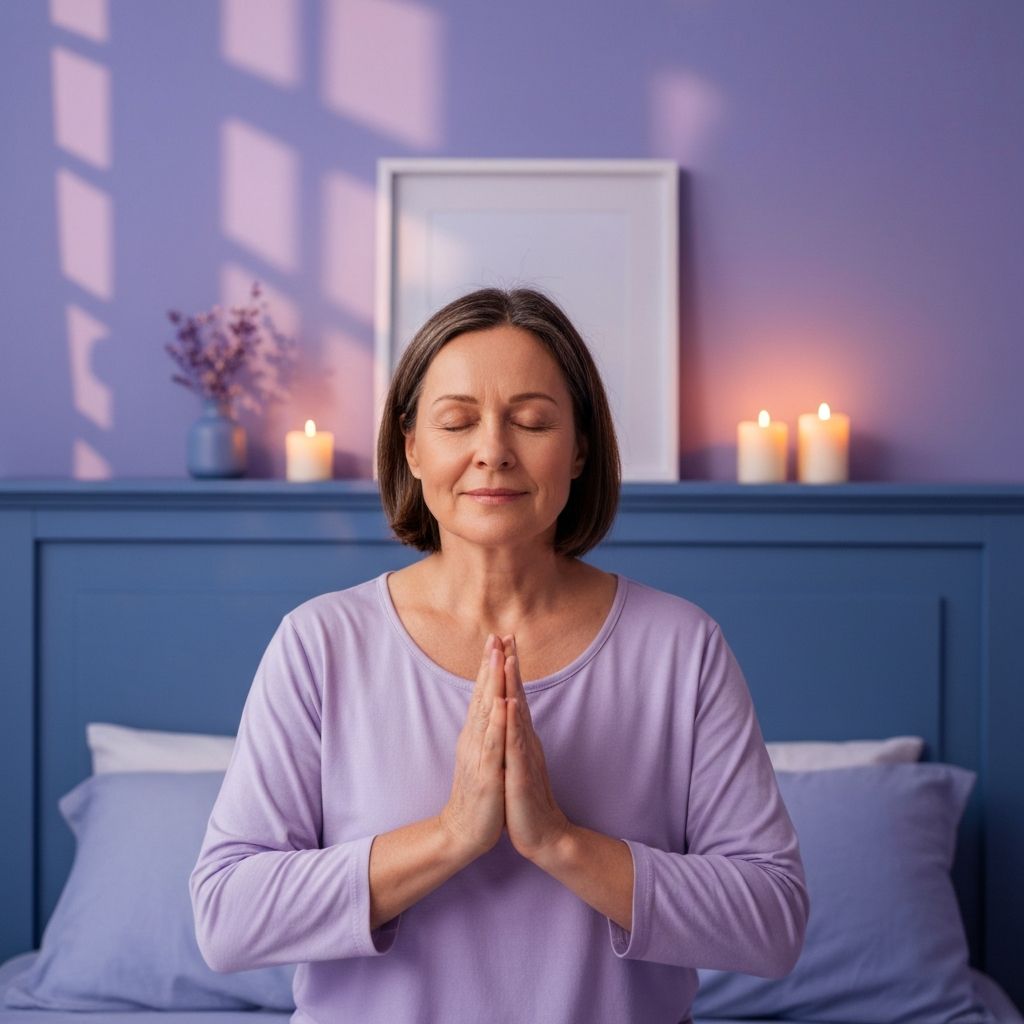
Relaxation Practices
Active relaxation techniques counteract the stress response:
- Progressive muscle relaxation releases physical tension
- Deep breathing activates the parasympathetic nervous system
- Meditation reduces rumination and promotes calm
- Gentle stretching or yoga combines physical and mental benefits
When You Cannot Sleep Due to Stress
Despite best efforts, stress will sometimes prevent sleep. Having strategies for these situations helps prevent a bad night from becoming a worse one.
Get Up If You Cannot Sleep
Lying in bed awake and frustrated creates an association between bed and wakefulness. If you have not fallen asleep within about 20 minutes, get up and do something calming in dim light until you feel sleepy.
Avoid Clock Watching
Checking the time when you cannot sleep increases stress about lost sleep. Turn clocks away from view and resist the urge to check your phone.
Reframe the Situation
Catastrophizing about sleeplessness adds stress to an already stressful situation. Remind yourself that one poor night of sleep, while unpleasant, is manageable. Your body will compensate with deeper sleep the following night.
Focus on Rest, Not Sleep
If sleep will not come, simply resting in a comfortable position with eyes closed provides some recovery benefit. Release the pressure to fall asleep and instead focus on physical comfort and calm breathing.
Long-Term Cycle Breaking
Addressing the stress-sleep cycle at its roots offers the most lasting improvement.
Address Underlying Stressors
While some stress is unavoidable, examining and addressing the sources of chronic stress can reduce its impact on sleep:
- What stressors can you eliminate or reduce?
- What changes to work or life circumstances might help?
- Are there relationships or situations requiring difficult but necessary changes?
Build Stress Resilience
Regular practices that increase stress resilience make you less vulnerable to the stress-sleep cycle:
- Mindfulness meditation improves stress recovery
- Regular exercise builds physical and mental resilience
- Adequate sleep itself increases stress tolerance
- Strong social connections provide buffers against stress
Improve Sleep Foundations
Strengthening your sleep foundation makes you more resilient when stress occurs:
- Maintain consistent sleep timing
- Optimize your sleep environment
- Address any underlying sleep issues
- Protect adequate time for sleep
Consider Professional Support
When stress significantly impacts your sleep and daily functioning, professional help may be warranted. Cognitive behavioral therapy for insomnia (CBT-I) specifically addresses the thought patterns and behaviors that perpetuate sleep problems. Therapy for underlying anxiety or depression can address root causes of both stress and sleep difficulties.
Breaking Free
The stress-sleep cycle, while powerful, can be broken. It typically requires attention to multiple factors: managing daytime stress, creating effective evening transitions, having strategies for difficult nights, and addressing underlying issues over time.
Progress may not be linear. Stress will sometimes win, and sleep will sometimes suffer. The goal is gradual improvement in the overall pattern rather than perfection on any given night. With consistent effort, most people can significantly improve their sleep even in the presence of life's inevitable stresses.
Tags
Written by
Sarah Mitchell
A contributing writer at SleepWell Daily. Our team is dedicated to providing well-researched, accurate, and helpful content to our readers.
Learn more about our teamRelated Articles

Sleep and Exercise Recovery: How Rest Rebuilds Your Body
Discover the critical role sleep plays in athletic recovery, muscle repair, and performance improvement for everyone from casual exercisers to serious athletes.
Relaxation Techniques for Better Sleep: Evidence-Based Methods
Learn proven relaxation techniques including progressive muscle relaxation, deep breathing, and visualization to calm your mind and body before bed.

The Power Nap Guide: Optimal Napping for Energy and Focus
Master the art of strategic napping with science-backed guidance on timing, duration, and techniques for energizing rest without grogginess.