Creating a Bedtime Routine That Actually Works
Design an effective wind-down routine that signals your body it's time for sleep. Science-backed strategies for transitioning from wakefulness to restful sleep.
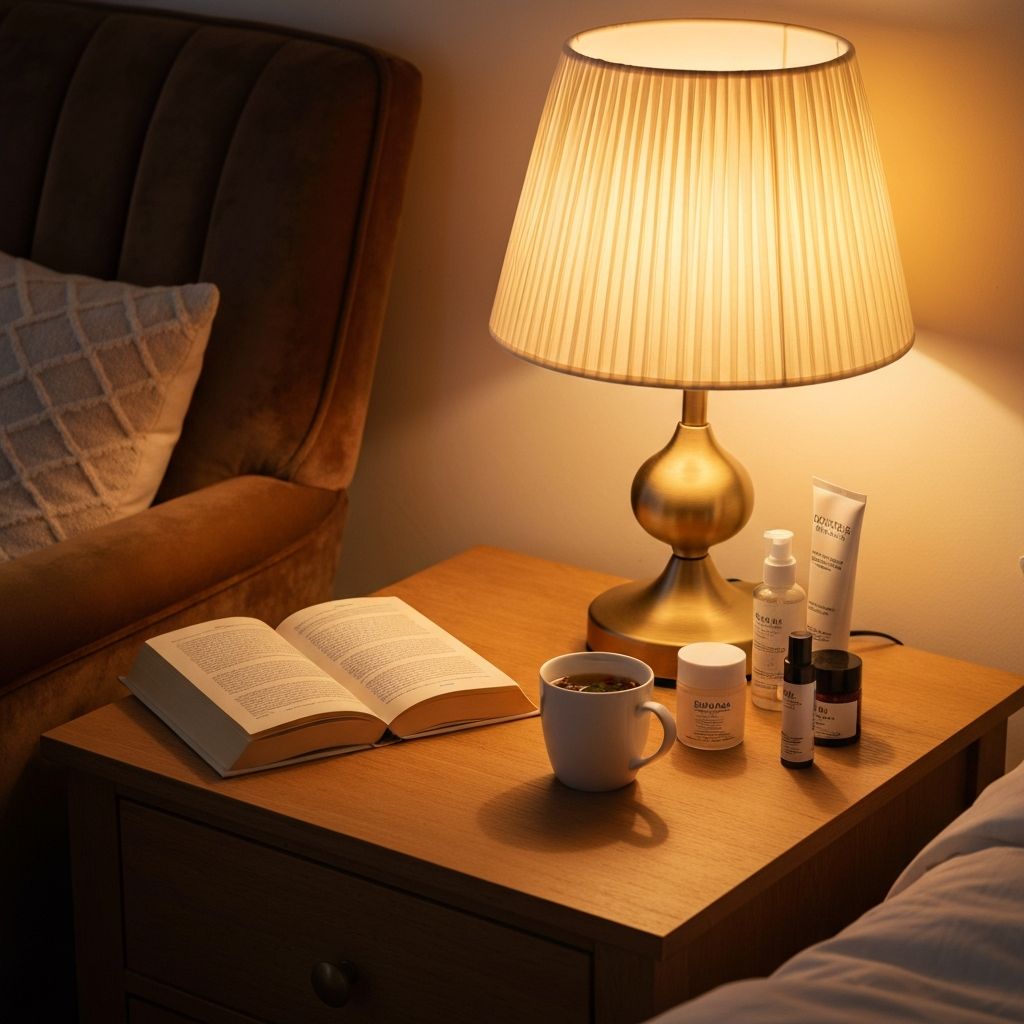
Children thrive on bedtime routines, but somehow we abandon this practice as adults. Yet our adult brains benefit just as much from consistent pre-sleep rituals. A well-designed bedtime routine serves as a bridge between the demands of the day and the rest your body needs.
Why Routines Matter for Sleep
Your brain loves patterns. When you perform the same sequence of activities before bed each night, your brain learns to associate these activities with approaching sleep. Over time, simply starting your routine triggers the physiological changes needed for sleep.
The Science Behind It
- Classical conditioning: Your brain learns that routine activities predict sleep
- Stress hormone reduction: Predictable transitions lower cortisol
- Parasympathetic activation: Relaxing activities shift your nervous system toward rest
- Cognitive offloading: Routines handle decisions automatically, reducing mental load
Building Your Routine: The Framework
An effective bedtime routine typically spans 30-60 minutes and includes three phases:
Phase 1: Wrap-Up (20-30 minutes before bed)
This phase transitions you from active mode to pre-sleep mode.
Activities to include:
- Set a daily closing ritual for work and tasks
- Prepare for tomorrow (lay out clothes, pack bags)
- Tidy your space briefly
- Write tomorrow's to-do list to clear your mind
- Set devices to charge outside the bedroom
Phase 2: Unwind (15-20 minutes before bed)
This phase actively promotes relaxation.
Activities to include:
- Dim the lights throughout your home
- Take a warm bath or shower
- Practice gentle stretching or yoga
- Read a physical book (nothing too exciting)
- Listen to calm music or a podcast
- Have a small, sleep-promoting snack if needed
Phase 3: Transition (5-10 minutes before bed)
This phase happens in the bedroom and immediately precedes sleep.
Activities to include:
- Skincare routine
- Brush teeth (create a strong association with bedtime)
- Get into comfortable sleepwear
- Brief meditation or breathing exercises
- Set the room temperature and lighting
- Get into bed only when ready to sleep
What to Include in Your Routine
Personal Hygiene
Washing your face and brushing your teeth are powerful sleep cues because you've done them before bed your entire life.
Temperature Manipulation
A warm bath or shower 1-2 hours before bed raises your core temperature. The subsequent cooling mimics the natural temperature drop that triggers sleepiness.
Low-Stimulation Activities
Choose activities that engage without exciting:
- Reading physical books (not thrillers)
- Puzzles (crosswords, sudoku)
- Gentle crafts (knitting, coloring)
- Listening to calm audio content
- Journaling or gratitude practice
Light Management
Dim lights 2 hours before bed. Your routine should progress from brighter to darker environments, ending in a dark bedroom.
What to Avoid
Screens
The combination of blue light and stimulating content works against sleep. If you must use devices, use blue light filters and avoid social media, news, and email.
Intense Exercise
While regular exercise improves sleep, intense workouts within 2-3 hours of bed can be activating for some people.
Work and Planning
Anything that engages problem-solving or creates stress should end before your routine begins.
Heavy Meals
Large meals close to bedtime can cause discomfort and disrupt sleep. If hungry, choose light, sleep-promoting snacks.
Difficult Conversations
Save serious discussions for earlier in the day. Emotional arousal is counterproductive for sleep.
Sample Routines
The Minimalist (30 minutes)
- 9:30 PM: Devices off, brief tidy, prepare for tomorrow
- 9:45 PM: Warm shower
- 9:55 PM: Pajamas, skincare, brush teeth
- 10:00 PM: Read in bed for 10-15 minutes, then sleep
The Complete Wind-Down (60 minutes)
- 9:00 PM: Close out work, review tomorrow
- 9:15 PM: Light stretching or yoga
- 9:30 PM: Warm bath
- 9:45 PM: Dim lights, herbal tea, read
- 10:00 PM: Skincare, brush teeth, bedroom
- 10:10 PM: Brief meditation or breathing
- 10:15 PM: Sleep
The Busy Parent (20 minutes)
- After kids are in bed: Quick tidy of space
- 10 minutes of reading or a brief skincare routine
- 5 minutes of deep breathing in bed
- Sleep
Making Your Routine Stick
Start Small
Begin with just 2-3 activities and build from there. An ambitious routine you don't follow helps no one.
Be Consistent
Perform your routine at the same time each night, including weekends. Consistency builds stronger associations.
Customize for You
Your routine should include activities you find genuinely relaxing, not what you think you should find relaxing.
Track and Adjust
Notice what helps and what doesn't. Your routine should evolve based on results.
Have a Travel Version
Create a shortened routine for when you're not home. Even a few familiar activities help.
Troubleshooting Common Problems
"I don't have time"
A 15-minute routine is better than no routine. Focus on the highest-impact activities: screens off, dim lights, teeth brushing, brief reading.
"I can't stick to a consistent time"
Aim for the same routine even if the time varies. The activities matter as much as the clock.
"My partner has different needs"
Find common ground where possible, but individual routines are fine. The key is each person having their own wind-down process.
"I do my routine but still can't sleep"
The routine creates conditions for sleep but can't override other issues. If sleep problems persist, look at other factors: stress, caffeine, sleep disorders, room environment.
The Bottom Line
A bedtime routine is one of the simplest and most effective sleep interventions available. It costs nothing, works for most people, and compounds in effectiveness over time. Start tonight with even a basic routine, and gradually build something that helps you transition smoothly from day to rest.
Tags
Written by
Sarah Mitchell
A contributing writer at SleepWell Daily. Our team is dedicated to providing well-researched, accurate, and helpful content to our readers.
Learn more about our teamRelated Articles

Relaxation Techniques for Better Sleep: Evidence-Based Methods
Learn proven relaxation techniques including progressive muscle relaxation, deep breathing, and visualization to calm your mind and body before bed.

Breaking the Stress-Sleep Cycle: How to Rest When Worried
Understand the bidirectional relationship between stress and sleep, and learn strategies to break the cycle and achieve restorative rest.

Sleep and Exercise Recovery: How Rest Rebuilds Your Body
Discover the critical role sleep plays in athletic recovery, muscle repair, and performance improvement for everyone from casual exercisers to serious athletes.