The Power Nap Guide: Optimal Napping for Energy and Focus
Master the art of strategic napping with science-backed guidance on timing, duration, and techniques for energizing rest without grogginess.
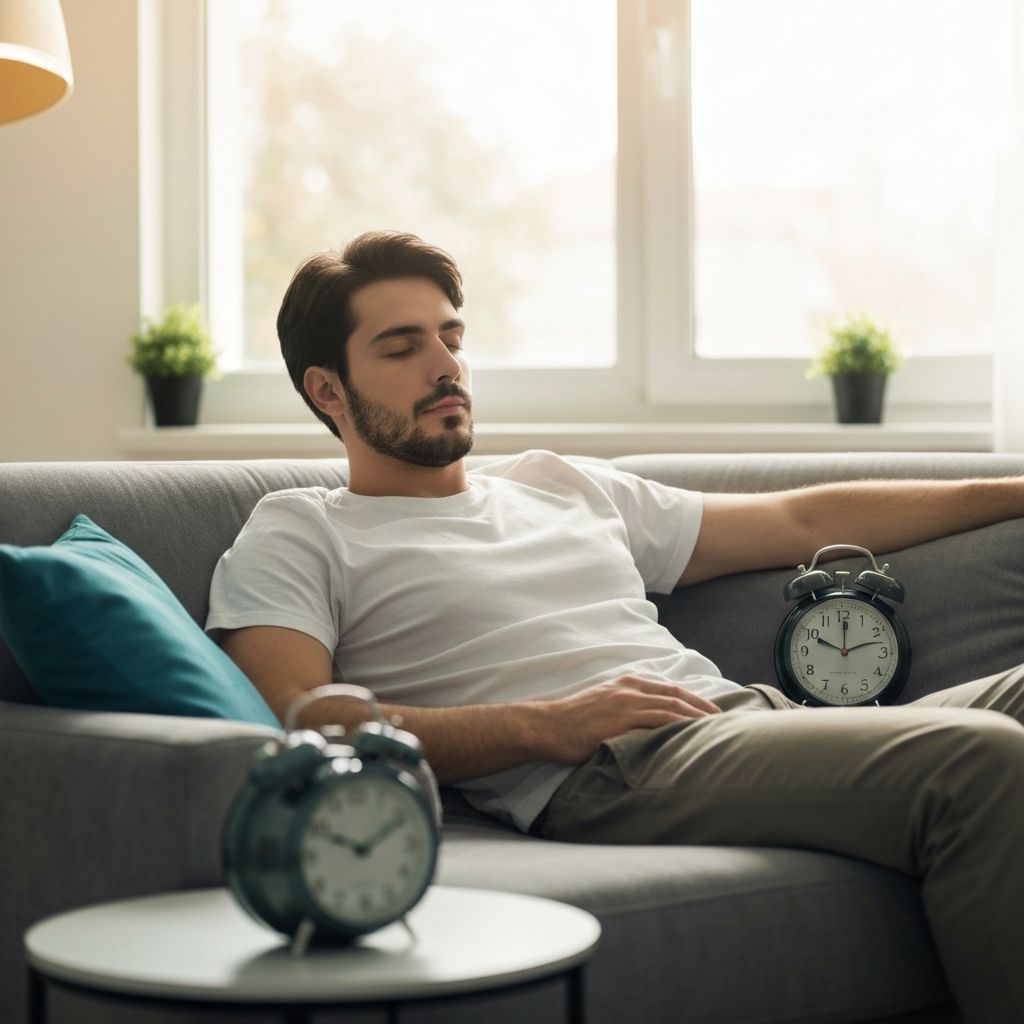
Napping has an undeserved reputation in many productivity-focused cultures. Yet research consistently shows that well-timed, appropriately brief naps can restore alertness, enhance performance, and improve mood without interfering with nighttime sleep.
The key lies in understanding how to nap effectively. Random or poorly timed naps can leave you groggy and disrupt your sleep schedule. Strategic napping, however, can be a powerful tool for managing energy throughout the day.
The Science Behind Napping
To understand effective napping, it helps to understand why naps work and how they affect your body and mind.
Homeostatic Sleep Drive
Throughout the day, a compound called adenosine builds up in your brain, creating what scientists call homeostatic sleep pressure. This pressure increases the longer you stay awake, making you progressively sleepier. Sleep clears adenosine, which is why you feel refreshed after rest.
A short nap partially reduces adenosine levels, relieving some sleep pressure and restoring alertness. This is the primary mechanism behind the refreshing effect of napping.
Circadian Considerations
Your circadian rhythm creates a natural dip in alertness during the early afternoon, typically between 1 PM and 3 PM. This postlunch dip occurs regardless of whether you eat lunch, though a heavy meal can intensify it.
This natural low point makes early afternoon an ideal window for napping. Your body is already primed for decreased alertness, making falling asleep easier while ensuring the nap does not interfere with nighttime sleep.
Types of Naps
Different nap durations serve different purposes, each with distinct benefits and potential drawbacks.
The Power Nap (10-20 Minutes)
The classic power nap keeps you in lighter sleep stages (Stage 1 and Stage 2 NREM sleep), allowing you to wake refreshed without grogginess.
Benefits:
- Improved alertness and concentration
- Enhanced mood and reduced fatigue
- Minimal risk of sleep inertia (post-nap grogginess)
- Does not interfere with nighttime sleep
Best for: Quick energy restoration during busy days, especially when time is limited.
The Full Cycle Nap (90 Minutes)
A 90-minute nap allows you to complete one full sleep cycle, including deep sleep and REM sleep. Because you wake at the end of a cycle rather than in the middle, you typically avoid grogginess.
Benefits:
- Full restorative benefits including memory consolidation
- Creativity and problem-solving enhancement
- Physical recovery support
- Emotional processing from REM sleep
Best for: Recovery from significant sleep debt, weekend catch-up, or when schedule permits longer rest.
The 30-Minute Zone: Proceed with Caution
Naps lasting 30-60 minutes often produce significant sleep inertia. This duration allows you to enter deep sleep but typically wakes you in the middle of it, resulting in substantial grogginess that can last 30 minutes or more.
If you must nap in this range, allow extra time after waking before engaging in tasks requiring full alertness.
Optimal Nap Timing
When you nap matters almost as much as how long you nap.
The Early Afternoon Sweet Spot
The ideal nap window falls during the early afternoon, typically between 1 PM and 3 PM for people with conventional sleep schedules. This timing:
- Aligns with the natural circadian dip in alertness
- Falls late enough that morning alertness has worn off
- Occurs early enough to avoid interfering with nighttime sleep
Avoid Late Afternoon and Evening
Napping after 3 PM risks reducing sleep pressure enough to make falling asleep at bedtime difficult. If you find yourself needing late-day naps regularly, this may indicate insufficient nighttime sleep or poor sleep quality rather than a need for daytime rest.
Adjust for Your Schedule
If you work non-traditional hours or have an unusual sleep schedule, adjust nap timing relative to your main sleep period. The goal is napping during the middle of your wake period, far enough from your next intended sleep time.
Creating Ideal Napping Conditions
Setting up the right environment makes falling asleep quickly and sleeping effectively easier.
Environment Setup
- Darkness: Use an eye mask or darken the room to promote faster sleep onset
- Quiet: Use earplugs or white noise if environmental sounds might disturb you
- Comfort: Lie down if possible, though sitting with head support works for shorter naps
- Temperature: Slightly cool environments support sleep, similar to nighttime conditions
The Alarm Question
For power naps, set an alarm to ensure you wake before entering deep sleep. Add a few minutes for the time needed to fall asleep. If you typically fall asleep in 5-10 minutes, set the alarm for 25-30 minutes after lying down.
For longer naps, set an alarm for about 90 minutes to complete a full sleep cycle.
Nap Techniques
Several techniques can help you fall asleep quickly and maximize the benefits of brief naps.
The Coffee Nap
This counterintuitive technique involves drinking coffee immediately before a 20-minute nap. Caffeine takes about 20-30 minutes to enter your bloodstream, so if you wake within that window, the caffeine kicks in just as you arise, enhancing the alertness effect.
This technique requires practice and works best for people who can fall asleep quickly and are not sensitive to caffeine's effects on sleep.
The Upright Nap
When lying down is not possible, sitting upright with head support still provides benefits. Airline seats, recliners, or desk situations with head support can work. Benefits are somewhat reduced compared to lying down, but still meaningful for alertness restoration.
The Rest Without Sleep Approach
If you struggle to fall asleep during the day, simply resting with eyes closed in a quiet, dark environment provides some benefits. Research suggests that this "quiet rest" reduces fatigue and improves mood even without actual sleep onset.
When Napping Might Not Work for You
While napping benefits many people, it is not ideal for everyone or every situation.
Insomnia Concerns
If you struggle with falling asleep or staying asleep at night, daytime napping might worsen the problem by reducing sleep drive. People with insomnia are often advised to avoid naps or limit them strictly while working on improving nighttime sleep.
Sleep Disorders
Certain sleep disorders may be masked or complicated by daytime napping. Excessive daytime sleepiness that requires frequent napping deserves medical evaluation to rule out conditions like sleep apnea or narcolepsy.
Individual Variation
Some people simply do not nap well. They either cannot fall asleep during the day or feel worse after napping regardless of duration or timing. If napping consistently fails to help despite proper technique, it may simply not be the right tool for you.
Building Napping into Your Routine
For those who benefit from naps, making them a consistent part of your routine maximizes their value.
Schedule It
Treat naps as appointments rather than last resorts. Scheduling nap time when your energy naturally dips makes the practice sustainable and ensures you reap the benefits regularly.
Set Expectations
If you share space with others, communicate about your nap schedule. A consistent routine helps both you and those around you accommodate this healthy practice.
Start Small
If you are new to napping, begin with 10-15 minute power naps. As you learn your body's responses, you can adjust duration and timing to optimize results.
Strategic napping represents a legitimate performance and wellness tool backed by substantial research. When done correctly, a brief daytime rest can dramatically improve your afternoon without any cost to your nighttime sleep.
Tags
Written by
Sarah Mitchell
A contributing writer at SleepWell Daily. Our team is dedicated to providing well-researched, accurate, and helpful content to our readers.
Learn more about our teamRelated Articles

Breaking the Stress-Sleep Cycle: How to Rest When Worried
Understand the bidirectional relationship between stress and sleep, and learn strategies to break the cycle and achieve restorative rest.

Sleep and Exercise Recovery: How Rest Rebuilds Your Body
Discover the critical role sleep plays in athletic recovery, muscle repair, and performance improvement for everyone from casual exercisers to serious athletes.
Relaxation Techniques for Better Sleep: Evidence-Based Methods
Learn proven relaxation techniques including progressive muscle relaxation, deep breathing, and visualization to calm your mind and body before bed.