College Student Sleep Guide: Surviving (and Thriving) Academically
Learn why sleep is your secret academic weapon, how to sleep better in dorms, and strategies for managing late nights, early classes, and exam season.
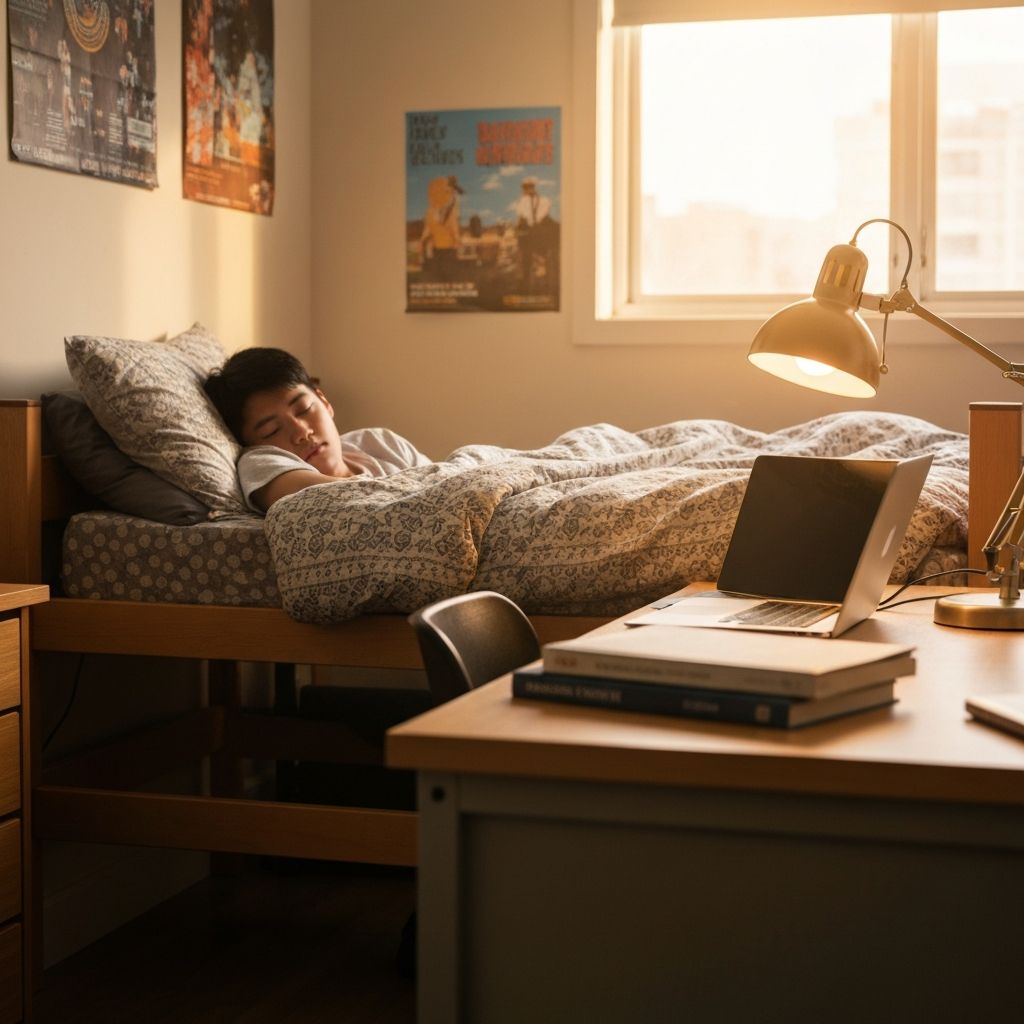
College creates a perfect storm for sleep deprivation: late-night studying, early classes, social pressures, shared living spaces, and newfound independence. Yet sleep is one of the most powerful tools you have for academic success, mental health, and overall wellbeing. Here's how to prioritize sleep in the college environment.
Why Sleep Matters for Academic Performance
Sleep isn't just about not feeling tired. It directly impacts the skills you need for academic success:
Memory Consolidation
During sleep, your brain consolidates what you learned during the day. Pulling an all-nighter before an exam actually prevents your brain from processing the material you studied.
Research finding: Students who sleep after studying retain significantly more than those who stay up reviewing.
Problem-Solving and Creativity
Sleep enhances your ability to see connections and solve complex problems—exactly what's needed for essays, projects, and difficult exams.
Focus and Attention
Sleep-deprived brains struggle to focus. Sitting in lecture while sleep-deprived means you're not actually absorbing information.
Emotional Regulation
Lack of sleep intensifies emotional reactions and reduces your ability to handle stress—critical during exams and deadline crunches.
The Reality of College Sleep
Studies consistently show college students are among the most sleep-deprived populations:
- Average sleep: 6-6.5 hours (need: 7-9 hours)
- Irregular schedules: Wildly varying bedtimes and wake times
- Social jetlag: Weekend sleep patterns drastically different from weekdays
This chronic sleep debt accumulates, affecting grades, health, and mental wellbeing.
Dorm Room Sleep Challenges
Roommate Issues
Living with someone else's schedule is challenging. Strategies:
- Have an honest conversation about sleep needs early
- Establish quiet hours you both commit to
- Use headphones for entertainment
- Eye masks and earplugs are essential
- Consider white noise to mask roommate sounds
- Create a signal for "I'm sleeping, don't disturb"
Noise and Light
Dorms are noisy, bright environments. Protect your sleep with:
- Quality earplugs or noise-canceling earbuds
- White noise app on your phone
- Eye mask for light blocking
- Blackout curtains if allowed
- Position your bed strategically
Uncomfortable Beds
Dorm mattresses aren't known for quality. Consider:
- Mattress topper for comfort
- Quality pillow
- Comfortable, breathable bedding
Managing Late Nights
Sometimes late nights are unavoidable. When they happen:
Planned Late Nights
- Nap earlier in the day (before 3 PM, 20-30 minutes)
- Avoid caffeine in the afternoon so it's effective when you need it
- Plan to recover within the next 1-2 days
- Don't make it consecutive nights
Unexpected Late Nights
- Sleep in the next morning if possible (but no more than 1 hour past usual)
- Take a short nap if needed
- Prioritize sleep the following night
- Don't try to push through without recovery
The All-Nighter Truth
All-nighters are almost never worth it academically:
- Your brain can't consolidate what you're cramming
- Test performance is impaired by sleep deprivation
- Two hours of sleep is significantly better than none
- The material you "learned" won't stick
Better approach: Study earlier, sleep at least a few hours, review briefly in the morning.
Managing Early Classes
Building a Schedule
When possible, schedule classes to align with your natural rhythm. If you're not a morning person, avoiding 8 AM classes reduces the temptation to skip or attend sleep-deprived.
When Early Classes Are Unavoidable
- Calculate your needed wake time and work backward to set bedtime
- Prepare everything the night before (clothes, bag, breakfast)
- Use a sunrise alarm clock to wake more naturally
- Don't rely solely on willpower—set multiple alarms if needed
- Go to bed early enough to get 7-8 hours before your alarm
Staying Awake in Early Classes
- Sit toward the front
- Take active notes
- Bring water
- Don't skip breakfast
- Avoid huge meals right before class
Exam Season Strategies
The Week Before
- Start adjusting sleep earlier to build up reserves
- Don't begin a major cramming schedule with existing sleep debt
- Maintain consistent wake times even if study runs late
During Exams
- Prioritize sleep over extra study hours
- Your brain performs better rested than with more material crammed while tired
- Plan recovery sleep after each major exam
- Keep caffeine strategic—not constant
The Night Before
- Stop studying at a reasonable hour
- Do something relaxing before bed
- Trust your preparation
- Aim for your normal sleep duration
- Set multiple alarms to reduce anxiety about oversleeping
Social Life vs. Sleep
College social life often happens at night. Balance strategies:
Setting Boundaries
- You don't have to attend every event
- Leave events at a reasonable hour
- Communicate your sleep needs to friends
- Find friends who respect your priorities
Strategic Social Choices
- Front-load social activities earlier in the evening when possible
- Choose which nights to stay out late and protect other nights
- Avoid alcohol close to bedtime (it disrupts sleep quality)
- Have a "cutoff time" for starting activities on school nights
Building Better Sleep Habits
Consistency Is Key
The most important habit: consistent sleep and wake times. Even on weekends, don't shift more than an hour.
Limit Screen Time Before Bed
Use blue light filters if you must study late. Avoid social media scrolling before sleep—it's stimulating and addictive.
Create a Sleep Routine
Even in a dorm, you can have a brief wind-down routine: wash your face, brush teeth, a few minutes of reading or relaxation.
Watch the Caffeine
Caffeine has a half-life of 5-6 hours. That 4 PM energy drink affects your midnight sleep.
Use Your Bed for Sleep
Avoid studying in bed. Your brain should associate bed with sleep, not work stress.
The Bottom Line
Sleep is not a luxury in college—it's a performance enhancer that directly impacts your grades, mental health, and overall experience. The students who figure this out don't just survive college; they thrive. Start treating sleep as a priority, not an afterthought, and you'll see the benefits in every area of your college life.
Tags
Written by
Sarah Mitchell
A contributing writer at SleepWell Daily. Our team is dedicated to providing well-researched, accurate, and helpful content to our readers.
Learn more about our teamRelated Articles

Sleep During Pregnancy: Challenges and Solutions for Each Trimester
Navigate the sleep challenges of pregnancy with trimester-specific guidance, safe sleeping positions, and strategies for managing common sleep disruptors.

How Sleep Changes as We Age: A Guide for Adults and Seniors
Understand the natural changes in sleep that occur with aging, distinguish normal changes from sleep disorders, and learn strategies for better rest at any age.
Why Teenagers Need More Sleep: The Science of Adolescent Rest
Understand the biological shifts that make teen sleep unique, why early school start times clash with biology, and how to help adolescents get the rest they need.