Why Teenagers Need More Sleep: The Science of Adolescent Rest
Understand the biological shifts that make teen sleep unique, why early school start times clash with biology, and how to help adolescents get the rest they need.
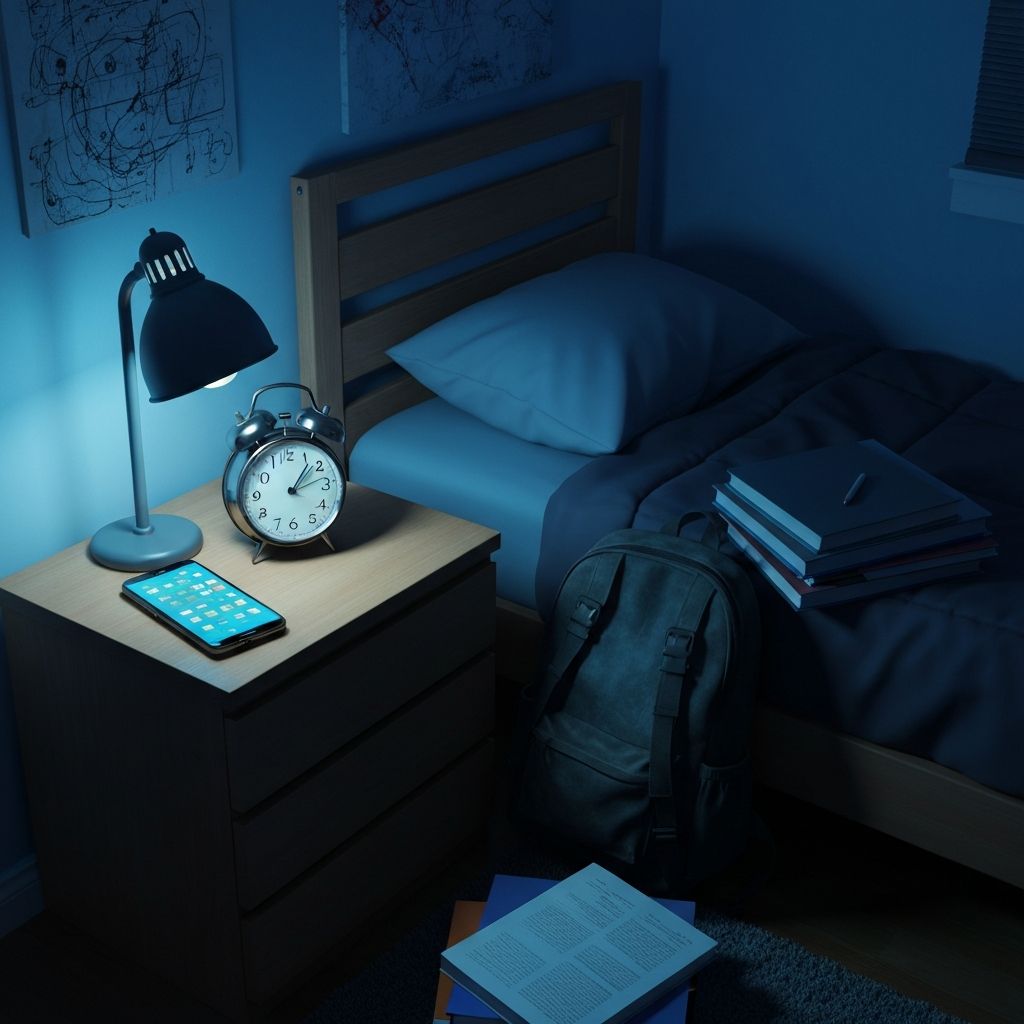
Teenagers are often criticized for sleeping late and having difficulty waking up for school. What many people do not realize is that adolescent sleep patterns reflect genuine biological changes, not laziness or poor choices. Understanding these changes helps parents, educators, and teenagers themselves address the chronic sleep deprivation that affects the majority of adolescents.
The Biology of Teen Sleep
Puberty brings significant changes to sleep biology that shift when teenagers naturally feel tired and alert.
Circadian Rhythm Shift
During adolescence, the circadian rhythm shifts later, a phenomenon called sleep phase delay. Melatonin, the hormone that signals sleepiness, begins rising later in the evening for teenagers than for children or adults.
This shift means that many teenagers genuinely do not feel sleepy until 11 PM or later, regardless of when they need to wake up. Asking a teenager to fall asleep at 9 PM may feel as difficult to them as asking an adult to sleep at 6 PM.
Slower Sleep Pressure Buildup
Sleep pressure, the drive to sleep that builds during waking hours, accumulates more slowly in adolescents than in younger children. This means teenagers can stay awake longer without feeling the same level of tiredness a child would experience.
Combined with the later circadian timing, this slower buildup makes early evening sleepiness unlikely even when teenagers are significantly sleep-deprived.
Sleep Need Does Not Decrease
Despite these timing changes, teenagers need substantial sleep. Most sleep experts recommend 8-10 hours per night for adolescents, comparable to younger children's needs and more than most adults require.
The combination of later sleep timing and continued high sleep need creates the fundamental mismatch that drives teen sleep problems.
The School Start Time Problem
Early school start times force teenagers to wake up during what is biologically their deepest sleep, creating chronic sleep deprivation for most students.
The Scope of the Problem
Studies consistently show that the majority of high school students get significantly less than the recommended 8-10 hours of sleep. Many average 6-7 hours or less during the school week, accumulating substantial sleep debt.
When schools with early start times are compared to those with later starts, students at earlier-starting schools show worse academic performance, higher rates of depression and anxiety, and increased car accident rates.
The Later Start Time Movement
Research supporting later school start times has grown substantial enough that major medical organizations have called for high schools to start no earlier than 8:30 AM.
Schools that have implemented later start times typically report improvements in attendance, reduced tardiness, better academic performance, improved mood and mental health, and decreased car accidents among student drivers.
Consequences of Teen Sleep Deprivation
Insufficient sleep during adolescence affects virtually every aspect of teenage life.
Academic Impact
Sleep-deprived students show reduced attention and concentration, impaired memory consolidation (learning literally suffers), decreased problem-solving ability, reduced creativity and critical thinking, and lower grades despite similar effort.
The cruel irony is that time spent sleeping often improves academic performance more than equivalent time spent studying when students are already sleep-deprived.
Mental Health Effects
Sleep deprivation increases risk of depression and anxiety, emotional reactivity and irritability, difficulty regulating mood, increased stress response, and in severe cases, increased risk of suicidal thoughts.
The relationship between sleep and mental health is bidirectional, but improving sleep often helps mental health symptoms even when it does not eliminate underlying conditions.
Physical Health
Adolescent sleep deprivation affects weight regulation and metabolism, immune function, athletic performance and recovery, and growth and development.
Safety Concerns
Drowsy driving is particularly dangerous for teenagers who are already inexperienced drivers. Sleep-deprived teens have significantly elevated accident rates.
Helping Teenagers Sleep Better
While systematic changes like later school start times help most, individual strategies can improve teen sleep within current constraints.
Work With Biology When Possible
On weekends and summer, allow natural sleep timing when schedules permit. Sleeping in helps repay sleep debt, though dramatic weekend schedule shifts can worsen weekday difficulties.
Manage Light Exposure
Light is the primary signal that sets circadian timing:
Morning: Get bright light exposure soon after waking to help shift the circadian rhythm earlier Evening: Reduce bright light, especially blue light from screens, in the hours before bed
Create Sleep-Friendly Environments
Teenagers benefit from cool, dark, quiet sleep spaces. Keeping phones and other devices outside the bedroom removes temptation for late-night use.
Prioritize Sleep
Many teenagers sacrifice sleep for academics, activities, and social connections. Helping teens understand sleep's importance and teaching them to prioritize rest when possible supports better choices.
Consistent Timing
While perfect consistency is difficult, keeping sleep timing within a reasonable range helps maintain circadian alignment. Dramatic weekend sleep-ins followed by early Monday wake-ups create a jet lag effect.
Caffeine: The Teen Sleep Saboteur
Many teenagers use caffeine to combat daytime sleepiness, but this creates a problematic cycle.
How Caffeine Interferes
Caffeine blocks adenosine, the sleep-promoting compound that builds during wakefulness. By blocking sleepiness signals, caffeine allows teenagers to push through tiredness but does not eliminate the underlying sleep debt.
Caffeine's effects can last 6-8 hours or more, meaning afternoon consumption interferes with nighttime sleep, creating a cycle of poor sleep followed by more caffeine the next day.
Setting Caffeine Limits
If teenagers use caffeine, encouraging limits helps:
- No caffeine after early afternoon
- Moderate total consumption
- Awareness of hidden caffeine sources (energy drinks, some medications)
When to Seek Help
Some teen sleep problems require professional attention.
Warning Signs
Consider seeking help if a teenager cannot function during the day despite trying to sleep more, shows signs of depression or anxiety, snores loudly or stops breathing during sleep, or has sleep timing so late that it significantly impairs functioning.
Possible Issues
Delayed sleep phase disorder, sleep apnea, depression, and other conditions can affect teen sleep and may require specific treatment beyond general sleep hygiene improvements.
The Bigger Picture
Teenage sleep deprivation is not primarily an individual problem but a systemic one created by scheduling that conflicts with adolescent biology. While families can take steps to improve individual teen sleep, meaningful improvement at scale requires policy changes like later school start times.
In the meantime, understanding that teen sleep challenges have biological roots helps reduce blame and opens doors to productive strategies. Teenagers are not lazy; they are operating within constraints that make adequate sleep genuinely difficult to achieve.
Tags
Written by
Sarah Mitchell
A contributing writer at SleepWell Daily. Our team is dedicated to providing well-researched, accurate, and helpful content to our readers.
Learn more about our teamRelated Articles

New Parent Sleep Survival: Getting Through the First Year
Realistic strategies for maximizing rest during your baby's first year, including shift sleeping, nap strategies, and knowing when you need help.

Sleep During Pregnancy: Challenges and Solutions for Each Trimester
Navigate the sleep challenges of pregnancy with trimester-specific guidance, safe sleeping positions, and strategies for managing common sleep disruptors.
How Sleep Changes as We Age: A Guide for Adults and Seniors
Understand the natural changes in sleep that occur with aging, distinguish normal changes from sleep disorders, and learn strategies for better rest at any age.