How Sleep Changes as We Age: A Guide for Adults and Seniors
Understand the natural changes in sleep that occur with aging, distinguish normal changes from sleep disorders, and learn strategies for better rest at any age.
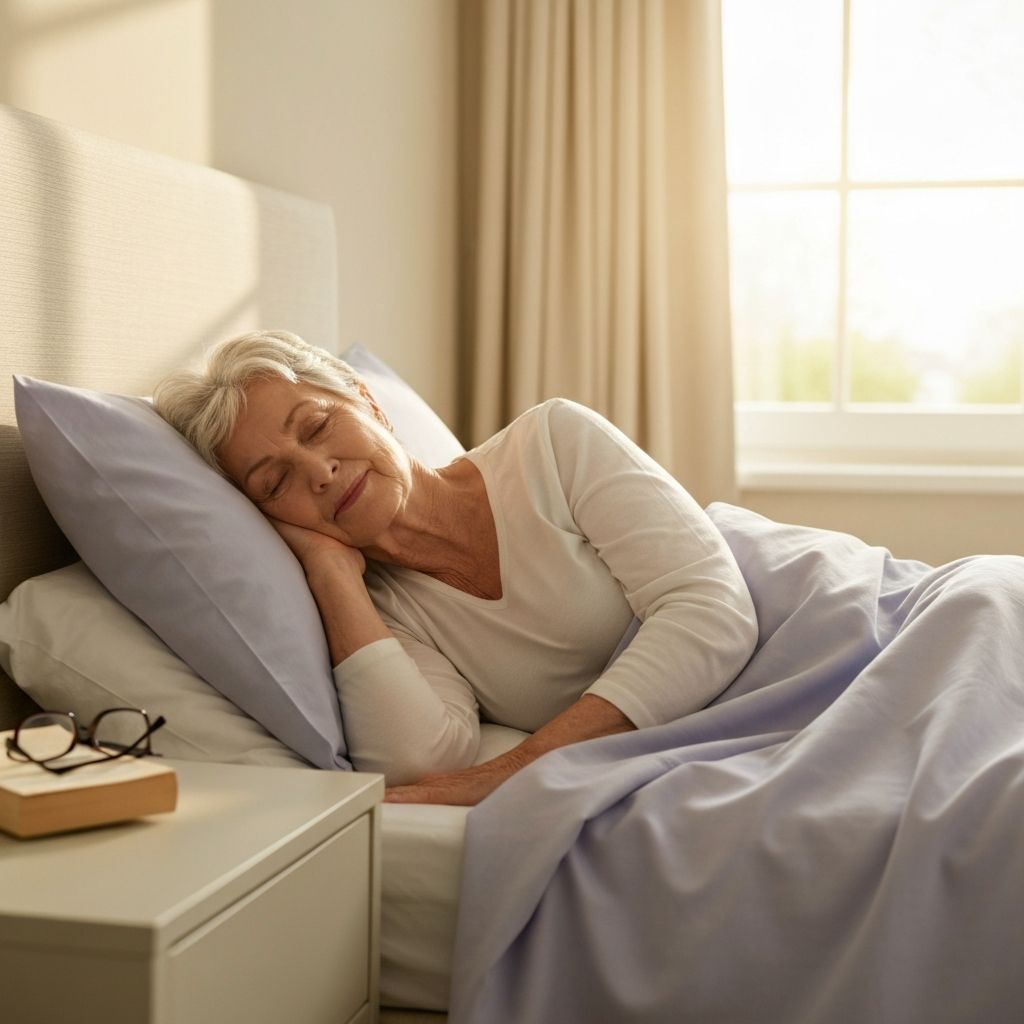
Sleep changes throughout life, and many people notice significant shifts in their sleep patterns as they move through adulthood and into older age. Understanding which changes are normal and which warrant attention helps distinguish between inevitable adjustments and problems that can be addressed.
Normal Sleep Changes with Age
Several aspects of sleep naturally evolve as we get older. Recognizing these changes as normal can reduce unnecessary concern.
Earlier Timing
One of the most noticeable changes is an advance in sleep timing. Many older adults naturally feel sleepy earlier in the evening and wake up earlier in the morning. This shift reflects changes in circadian rhythm regulation with age.
This earlier timing is not problematic if it allows for adequate sleep duration. However, social schedules or living situations that conflict with earlier sleep preferences can create difficulties.
Lighter Sleep
Sleep becomes lighter with age, with less time spent in the deepest sleep stages. This means older adults are more easily awakened by noise, physical discomfort, or the need to use the bathroom.
While frustrating, this lighter sleep is a normal part of aging rather than a sign of a sleep disorder.
More Nighttime Awakenings
Brief awakenings during the night become more common with age. These are often related to lighter sleep, changes in bladder function, or minor physical discomfort.
Brief awakenings that do not significantly impair falling back to sleep or daytime functioning are generally normal. Extended difficulty returning to sleep or excessive awakenings may warrant evaluation.
Reduced Sleep Efficiency
Sleep efficiency (the percentage of time in bed actually spent sleeping) tends to decrease with age. Older adults may spend more time in bed to achieve the same amount of actual sleep.
Napping Changes
Many older adults find daytime napping more appealing, partly due to lighter nighttime sleep and partly due to lifestyle changes that allow daytime rest. Moderate napping is generally fine, though excessive napping may indicate underlying sleep problems or interfere with nighttime sleep.
Sleep Problems vs. Normal Aging
While some sleep changes are normal, sleep problems are not inevitable. Distinguishing between the two matters.
Signs of Problems
Consult a healthcare provider if you experience excessive daytime sleepiness that impairs functioning, difficulty falling asleep or staying asleep most nights, loud snoring or pauses in breathing during sleep, restless legs or uncomfortable sensations that prevent sleep, or significant changes in sleep that affect your quality of life.
Sleep Disorders in Older Adults
Several sleep disorders become more common with age:
Sleep apnea increases with age and is significantly underdiagnosed in older adults. Snoring, witnessed breathing pauses, and daytime sleepiness warrant evaluation.
Restless legs syndrome causes uncomfortable leg sensations and an urge to move that interferes with falling asleep.
Insomnia may develop or worsen with age, sometimes related to health conditions, medications, or life changes like retirement or loss of a spouse.
REM sleep behavior disorder, where people act out dreams, is more common in older adults and may be associated with neurological conditions.
Factors Affecting Sleep in Older Adults
Several factors unique to aging can affect sleep quality.
Health Conditions
Chronic pain, heart disease, respiratory conditions, diabetes, and other health issues can all interfere with sleep. Managing underlying conditions often improves sleep.
Medications
Many medications affect sleep, either causing drowsiness or interfering with rest. Reviewing medications with healthcare providers can identify sleep-affecting drugs and potential alternatives.
Mental Health
Depression and anxiety, which can increase in older age due to losses, health changes, and life transitions, often affect sleep. Treating underlying mental health conditions typically improves sleep.
Reduced Activity
Less physical activity, common in older age, can reduce sleep drive and make sleep lighter. Maintaining appropriate activity levels supports better sleep.
Social Isolation
Loneliness and social isolation can contribute to depression and anxiety, which affect sleep. Maintaining social connections supports both mental health and sleep.
Strategies for Better Sleep at Any Age
Many approaches that improve sleep for younger adults remain effective, with some age-specific considerations.
Maintain Consistent Timing
Keep a regular sleep schedule, even on weekends. While your preferred times may be earlier than when you were younger, consistency helps maintain healthy sleep patterns.
Stay Physically Active
Regular physical activity improves sleep quality at any age. Even gentle exercise like walking can make a meaningful difference. Aim to complete vigorous activity at least several hours before bedtime.
Limit Naps
If nighttime sleep is problematic, limit daytime naps to 20-30 minutes in the early afternoon. Excessive or late napping can reduce nighttime sleep drive.
Manage Fluid Intake
Reducing fluid intake in the hours before bed can decrease nighttime bathroom trips. However, maintain adequate hydration earlier in the day.
Optimize the Sleep Environment
Address factors that disrupt lighter sleep:
- Ensure the bedroom is dark and quiet
- Keep the temperature comfortable
- Use a mattress and pillows that reduce physical discomfort
- Consider white noise to mask environmental sounds
Address Pain and Discomfort
Pain significantly interferes with sleep. Work with healthcare providers to manage chronic pain conditions. Comfortable positioning and appropriate bedding can also help.
Review Medications
Ask healthcare providers about whether any medications might affect sleep and whether taking them at different times might help. Never stop medications without medical guidance.
Limit Caffeine and Alcohol
Both substances affect sleep, and sensitivity may increase with age. Limit caffeine to mornings and avoid alcohol close to bedtime.
Manage Light Exposure
Get bright light exposure during the day, especially in the morning, to support healthy circadian rhythms. Keep evenings dimmer to promote natural sleepiness.
When Professional Help Is Needed
Do not assume that poor sleep is an inevitable part of aging. Seek evaluation if sleep problems significantly affect your daily life, you suspect a sleep disorder like sleep apnea, sleep changes have occurred suddenly or dramatically, or you feel excessively sleepy during the day despite spending adequate time in bed.
Treatment options exist for most sleep disorders, and identifying medical contributors to poor sleep can lead to significant improvements.
Embracing Changed Sleep
Some adjustment in expectations about sleep is appropriate with age. You may not sleep as deeply or as long as you once did, and earlier timing may become your new normal.
The goal is not to sleep like a 20-year-old but to get restorative rest that supports health and daily functioning. With appropriate adjustments and attention to factors that affect sleep, most older adults can achieve satisfying rest that supports quality of life.
Tags
Written by
Sarah Mitchell
A contributing writer at SleepWell Daily. Our team is dedicated to providing well-researched, accurate, and helpful content to our readers.
Learn more about our teamRelated Articles
Sleep During Pregnancy: Challenges and Solutions for Each Trimester
Navigate the sleep challenges of pregnancy with trimester-specific guidance, safe sleeping positions, and strategies for managing common sleep disruptors.

Why Teenagers Need More Sleep: The Science of Adolescent Rest
Understand the biological shifts that make teen sleep unique, why early school start times clash with biology, and how to help adolescents get the rest they need.

Baby Sleep Basics: Safe Sleep Practices for Newborns and Infants
Learn evidence-based approaches to infant sleep, from safe sleep guidelines to establishing healthy sleep patterns for your baby.