Caffeine and Sleep: Finding the Right Balance
Learn how caffeine affects your sleep, optimal timing for your last cup, individual sensitivity factors, and strategies for enjoying caffeine without sacrificing rest.
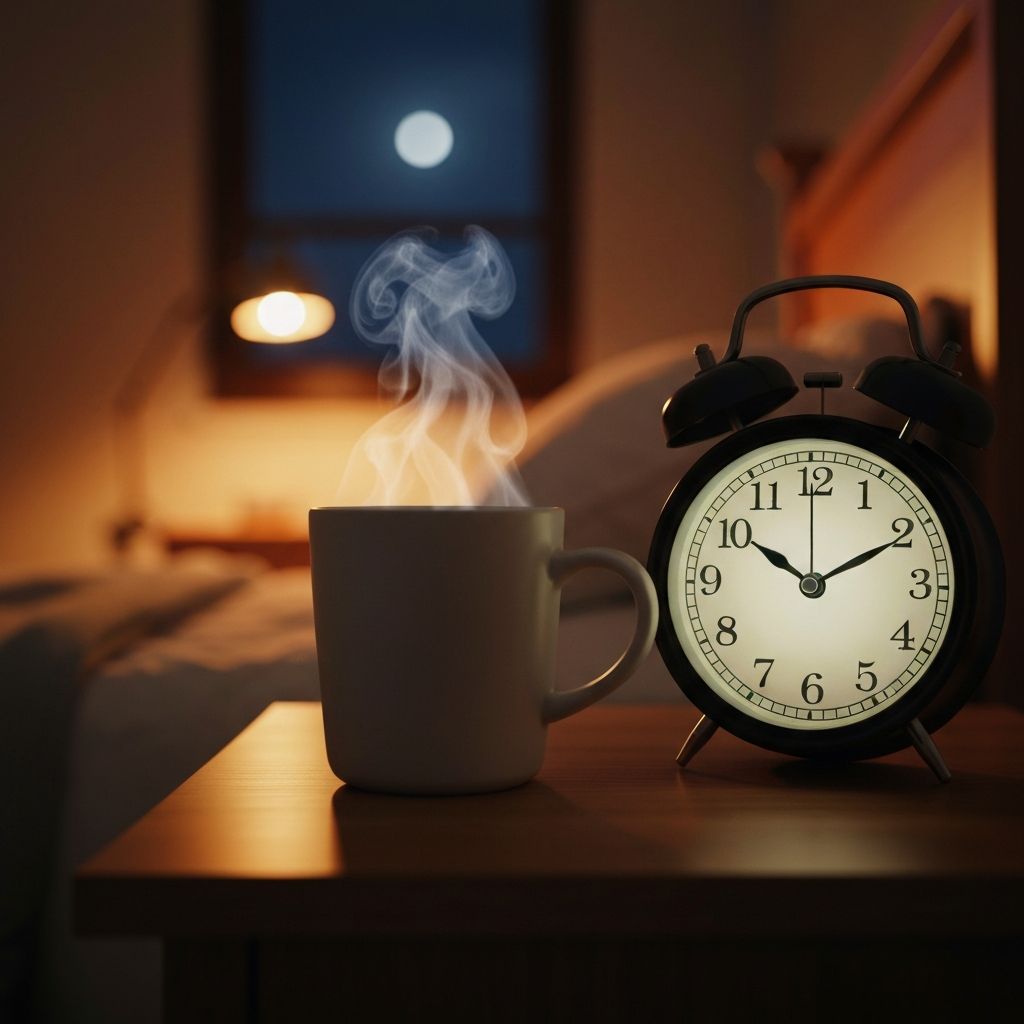
Caffeine is the world's most popular psychoactive substance, with billions of people relying on it to start their day. But this beloved stimulant has a complex relationship with sleep that's worth understanding if you want to enjoy both your coffee and your rest.
How Caffeine Works
Caffeine blocks adenosine receptors in your brain. Adenosine is a neurotransmitter that builds up throughout the day, creating "sleep pressure" that makes you feel increasingly tired. By blocking adenosine, caffeine temporarily masks this tiredness signal.
The Problem
The caffeine doesn't eliminate adenosine—it just prevents your brain from detecting it. The adenosine continues building up, which is why you can feel extra tired when caffeine wears off. This is sometimes called the "caffeine crash."
Caffeine's Half-Life: Why Timing Matters
Caffeine has an average half-life of 5-6 hours, meaning half the caffeine from your afternoon coffee is still in your system 5-6 hours later. A quarter remains after 10-12 hours.
Example timeline for a 3 PM coffee (200mg caffeine):
- 3 PM: 200mg in system
- 8-9 PM: 100mg remaining
- 1-3 AM: 50mg still present
Even small amounts of caffeine can affect sleep quality, reducing deep sleep even when you fall asleep normally.
Individual Variation
Not everyone processes caffeine at the same rate. Your caffeine sensitivity depends on:
Genetics
The CYP1A2 gene determines how quickly your liver metabolizes caffeine. "Fast metabolizers" can drink coffee in the evening with minimal effects, while "slow metabolizers" may be affected by morning coffee at bedtime.
Age
Caffeine metabolism slows with age. What you tolerated in your twenties may significantly impact your sleep in your forties and beyond.
Regular Use
Regular caffeine consumers develop tolerance, requiring more for the same alertness effect. However, this doesn't mean caffeine stops affecting their sleep—it still disrupts sleep architecture even when people don't notice it.
Medications and Health Conditions
Certain medications and conditions can slow caffeine metabolism, including:
- Oral contraceptives
- Pregnancy
- Liver conditions
- Some antibiotics and antidepressants
Hidden Sources of Caffeine
Coffee isn't the only source of caffeine in your diet. Watch for:
Obvious sources:
- Coffee (95-200mg per 8oz)
- Energy drinks (50-300mg)
- Black tea (25-48mg per 8oz)
- Green tea (25-29mg per 8oz)
- Cola (22-46mg per 12oz)
Less obvious sources:
- Chocolate (9-30mg per 1.5oz dark chocolate)
- Decaf coffee (2-15mg per 8oz)
- Pain relievers (40-65mg per dose)
- Pre-workout supplements (150-300mg)
- Some ice creams and candies
Optimal Caffeine Timing
Based on caffeine's half-life and individual variation, general guidelines suggest:
The 2 PM Rule
For most people, stopping caffeine by 2 PM allows sufficient time for it to clear before a 10-11 PM bedtime. This is a conservative estimate that works for most metabolizers.
The 10-Hour Rule
If you know you're a slower metabolizer or are sensitive to caffeine, stop caffeine at least 10 hours before your planned bedtime.
Morning Loading
Front-load your caffeine consumption. Having your caffeine earlier in the day:
- Aligns with natural cortisol rhythms
- Allows more clearance time before bed
- May actually be more effective for alertness
Strategies for Better Sleep Without Giving Up Caffeine
Gradual Reduction
If you're consuming caffeine later than ideal, gradually move your cutoff time earlier by 30 minutes every few days.
Switch to Tea Afternoon
If you crave an afternoon warm beverage, switch from coffee to green tea (less caffeine) or herbal tea (no caffeine).
Mind Your Total Intake
The FDA suggests up to 400mg daily as generally safe for most adults. Staying within this limit and concentrating it in the morning supports both energy and sleep.
Track Your Response
Keep a sleep diary noting your caffeine consumption and sleep quality. You may discover your personal sensitivity pattern.
The Caffeine-Sleep Cycle
Many people get trapped in a cycle:
- Poor sleep leads to tiredness
- Tiredness leads to more caffeine
- More caffeine leads to worse sleep
- Repeat
Breaking this cycle often requires temporarily reducing caffeine—which can be uncomfortable—to restore natural sleep quality.
Caffeine Withdrawal
If you decide to cut back, expect withdrawal symptoms peaking 12-24 hours after your last dose:
- Headache
- Fatigue
- Difficulty concentrating
- Irritability
- Depressed mood
These typically resolve within a week. Gradually reducing intake rather than stopping suddenly minimizes symptoms.
The Bottom Line
Caffeine and good sleep can coexist, but it requires thoughtful timing and awareness of your individual sensitivity. For most people, enjoying caffeine in the morning and early afternoon while avoiding it later allows the benefits of alertness without sacrificing rest. If you're experiencing sleep difficulties, examining your caffeine habits is often a good place to start.
Tags
Written by
Sarah Mitchell
A contributing writer at SleepWell Daily. Our team is dedicated to providing well-researched, accurate, and helpful content to our readers.
Learn more about our teamRelated Articles

How Blue Light Affects Your Sleep: Screens, Melatonin, and Solutions
Understand the science behind blue light and sleep, and learn practical strategies to minimize screen-related sleep disruption.
Sleep Stages Explained: Understanding REM and Deep Sleep
Explore the four stages of sleep, learn what happens in each phase, and discover why balanced sleep architecture matters for your health.
Circadian Rhythm Explained: Your Body's Internal Clock
Learn how your circadian rhythm controls sleep-wake cycles and discover practical ways to work with your body's natural clock for better rest.