Circadian Rhythm Explained: Your Body's Internal Clock
Learn how your circadian rhythm controls sleep-wake cycles and discover practical ways to work with your body's natural clock for better rest.
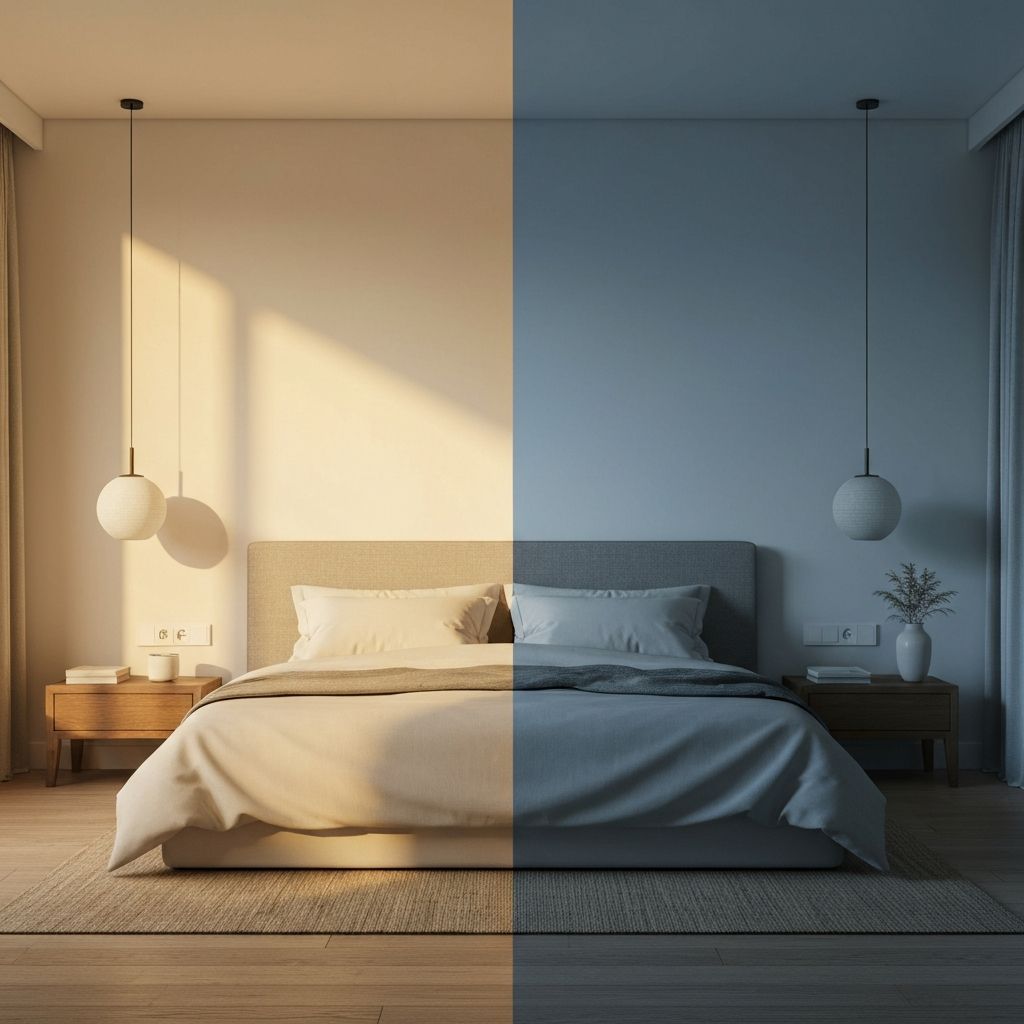
Your body operates on an internal clock that influences when you feel alert, when you feel tired, and virtually every biological process in between. This clock, known as your circadian rhythm, plays a fundamental role in sleep quality and overall health. Understanding how it works can help you optimize your rest and daily energy levels.
What Is the Circadian Rhythm
The circadian rhythm is a roughly 24-hour internal cycle that regulates the timing of various biological functions. The term comes from the Latin words "circa" (about) and "diem" (day), reflecting its approximate daily duration.
This internal clock influences far more than just sleep. It affects hormone release, body temperature, metabolism, and cognitive function. However, its role in regulating sleep timing makes it particularly important for anyone seeking better rest.
The Master Clock
Located in the brain's hypothalamus, a tiny region called the suprachiasmatic nucleus (SCN) serves as the master clock. This cluster of about 20,000 neurons receives direct input from the eyes and coordinates timing signals throughout the body.
The SCN responds primarily to light exposure, using this environmental cue to synchronize your internal clock with the external day-night cycle. This is why light plays such a crucial role in sleep quality and timing.
How Light Affects Your Sleep
Light serves as the primary external cue, or zeitgeber, that keeps your circadian rhythm aligned with the 24-hour day. When light enters your eyes, specialized cells called intrinsically photosensitive retinal ganglion cells send signals directly to the SCN.
Morning Light Exposure
Exposure to bright light in the morning helps reset your circadian clock and promotes alertness. This morning light signal tells your brain that the day has begun and suppresses melatonin, the hormone that promotes sleep.
Getting outside within an hour of waking, even on cloudy days, can significantly strengthen your circadian rhythm. The intensity of natural daylight far exceeds typical indoor lighting, making outdoor exposure particularly effective.
Evening Light and Melatonin
As evening approaches and light levels decrease, the SCN signals the pineal gland to begin producing melatonin. This hormone does not cause sleep directly but rather signals to the body that sleep time approaches.
Artificial light in the evening, especially blue-enriched light from screens, can suppress melatonin production and delay sleep onset. This is why reducing evening light exposure matters for maintaining a healthy sleep schedule.
Your Chronotype: Owl or Lark
While everyone has a circadian rhythm, the precise timing varies between individuals. This natural variation in sleep-wake timing is called your chronotype.
Morning Types
People with earlier chronotypes, sometimes called larks, naturally wake early and feel most alert in the morning hours. They tend to feel sleepy earlier in the evening and may struggle with late-night activities.
Morning types often find early meetings and traditional work schedules align well with their natural rhythms. However, social activities that extend into late evening can feel challenging.
Evening Types
Those with later chronotypes, often called owls, naturally prefer later bedtimes and wake times. They often experience their peak alertness and productivity in the afternoon or evening.
Evening types may struggle with early morning responsibilities and often accumulate sleep debt during the work week. Understanding this tendency can help with strategies to manage morning obligations while respecting natural rhythms.
The Role of Genetics
Research suggests chronotype has a significant genetic component. Variations in certain clock genes influence whether someone naturally tends toward morning or evening preferences.
While you cannot completely change your chronotype, you can work with it rather than against it when possible, and use light exposure and other strategies to shift your timing within a reasonable range.
Signs Your Circadian Rhythm Is Off
Several indicators suggest your circadian rhythm may not be optimally aligned with your schedule.
Difficulty Falling Asleep
If you consistently struggle to fall asleep at your intended bedtime, your circadian rhythm may be running later than your schedule requires. You feel fully alert when you should be winding down.
Daytime Fatigue Despite Adequate Sleep
Feeling tired during the day even after sleeping enough hours can indicate circadian misalignment. Sleep that occurs at the wrong circadian phase proves less restorative than sleep aligned with your internal clock.
Social Jet Lag
Large differences between your sleep timing on work days versus free days suggest circadian misalignment. This pattern, sometimes called social jet lag, indicates your schedule conflicts with your natural rhythm.
Strategies for Better Circadian Health
Several evidence-based approaches can help strengthen and optimize your circadian rhythm.
Consistent Sleep Schedule
Going to bed and waking up at similar times each day reinforces your circadian rhythm. This consistency helps your body anticipate sleep and waking times, making both easier.
Even on weekends, try to limit sleep timing variations to one hour or less from your weekday schedule. While sleeping in occasionally feels appealing, large shifts can leave you feeling jet-lagged at the start of each week.
Strategic Light Exposure
Use light exposure as a tool to support your circadian rhythm:
- Get bright light exposure, ideally natural daylight, within an hour of waking
- Maintain bright, well-lit environments during your intended wake hours
- Dim lights progressively in the evening hours
- Minimize screen use in the hour before bed, or use blue light filtering
Meal Timing
Your circadian system also responds to eating patterns. Regular meal times can help reinforce your body's sense of daily timing.
Try to eat meals at consistent times each day, with your largest meal not too close to bedtime. Late-night eating can interfere with both sleep quality and circadian alignment.
Temperature Considerations
Body temperature follows a circadian pattern, dropping in the evening and reaching its lowest point during sleep. You can support this natural process by keeping your bedroom cool and allowing your body temperature to decrease naturally in the evening.
When to Seek Help
While lifestyle strategies help many people, persistent circadian rhythm disruption may benefit from professional evaluation. Consider consulting a sleep specialist if you experience ongoing difficulty maintaining a reasonable sleep schedule despite implementing these strategies.
Understanding your circadian rhythm provides valuable insight into your sleep needs and patterns. By working with your body's internal clock rather than against it, you can improve both your sleep quality and daytime energy levels.
Tags
Written by
Sarah Mitchell
A contributing writer at SleepWell Daily. Our team is dedicated to providing well-researched, accurate, and helpful content to our readers.
Learn more about our teamRelated Articles

Melatonin: How Your Body's Sleep Hormone Works
Understand how melatonin regulates your sleep-wake cycle, factors that affect its production, and evidence-based ways to optimize your natural melatonin levels.
Sleep Debt: Can You Really Catch Up on Lost Sleep?
Explore the science of sleep debt, how it accumulates, its effects on your health and performance, and realistic strategies for recovery.

The Science of Dreams: What Happens When You Sleep
Discover what science tells us about why we dream, the different types of dreams, and how dreaming contributes to memory, creativity, and emotional processing.