How Blue Light Affects Your Sleep: Screens, Melatonin, and Solutions
Understand the science behind blue light and sleep, and learn practical strategies to minimize screen-related sleep disruption.
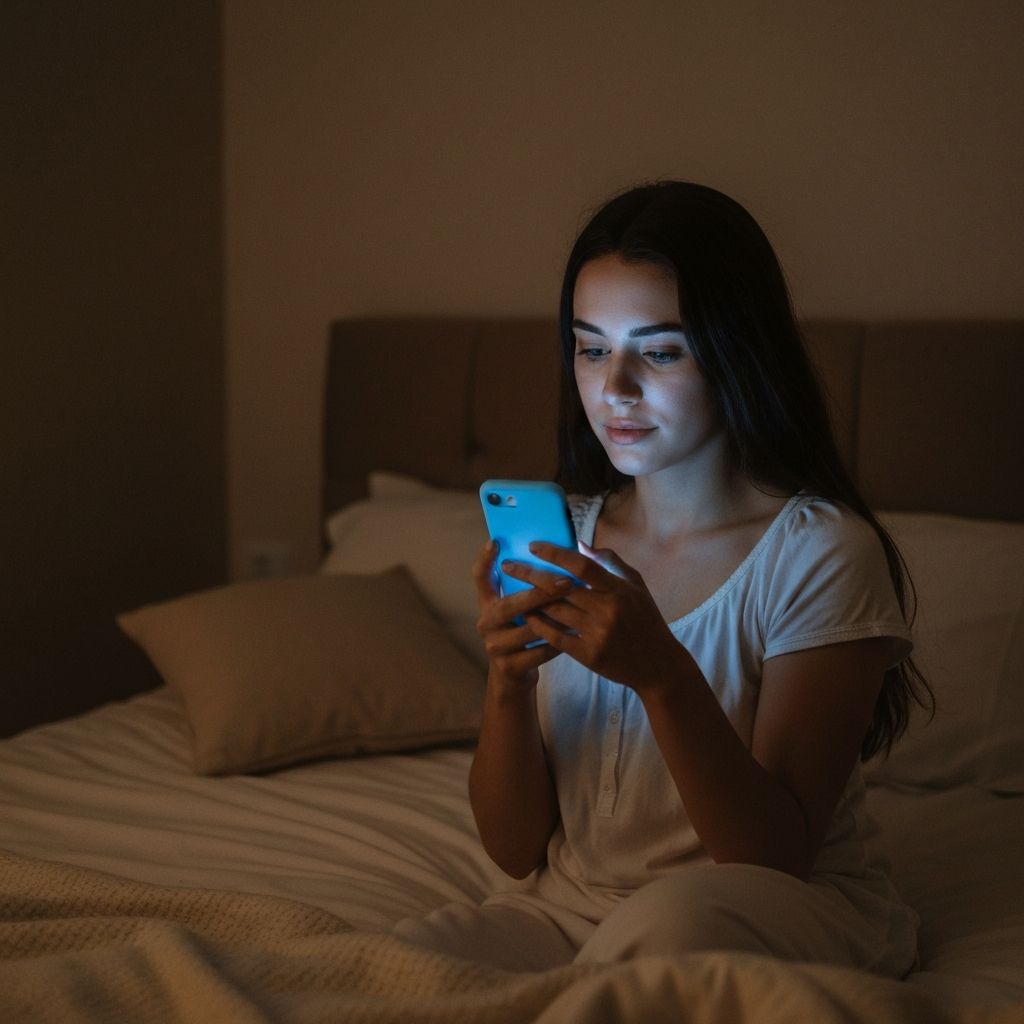
In our increasingly digital world, screens have become an unavoidable part of daily life. From smartphones and computers to televisions and tablets, most people spend significant time each day looking at screens that emit blue-enriched light. Understanding how this light affects sleep can help you make informed choices about technology use.
The Science of Blue Light
Light consists of electromagnetic radiation of various wavelengths, with visible light ranging from about 380 to 700 nanometers. Blue light falls in the shorter wavelength portion of the visible spectrum, roughly 450 to 495 nanometers.
Blue Light in Nature
Sunlight contains significant blue light, which helps explain why this wavelength has such powerful effects on our biology. Our bodies evolved to use blue light as a daytime signal, indicating when to be alert and active.
The sky appears blue precisely because shorter wavelengths scatter more easily in the atmosphere. This natural blue light during the day helps regulate our circadian rhythms and maintain healthy sleep-wake cycles.
Artificial Blue Light Sources
Modern artificial lighting and electronic screens emit relatively high levels of blue light compared to traditional incandescent bulbs. LED lighting and screen displays are particularly blue-enriched.
Common sources of artificial blue light include:
- Smartphones and tablets
- Computer monitors
- LED and fluorescent lighting
- Television screens
- E-readers with backlighting
How Blue Light Affects Melatonin
The connection between blue light and sleep centers on melatonin, a hormone that signals sleep readiness to the body. Blue light has the strongest effect on melatonin suppression of any visible wavelength.
The Melatonin Process
As evening approaches and natural light decreases, the pineal gland begins producing melatonin. This hormone does not directly cause sleep but prepares the body for rest and signals that sleep time approaches.
Melatonin levels typically begin rising two to three hours before your natural bedtime, reaching peak levels during the middle of the night. Morning light then suppresses melatonin production, helping you feel alert.
Blue Light Suppression
Exposure to blue light in the evening can significantly suppress melatonin production, delaying the signal that tells your body to prepare for sleep. Research has shown that even relatively brief screen use before bed can measurably reduce melatonin levels.
This suppression can shift your entire circadian rhythm later, making it harder to fall asleep at your intended bedtime and harder to wake up in the morning. The effects compound when evening screen use becomes a regular habit.
Research Findings
Multiple studies have examined the relationship between evening screen use and sleep quality.
Laboratory Studies
Controlled laboratory research has found that reading on a light-emitting device before bed compared to reading a printed book results in longer time to fall asleep, reduced evening sleepiness, and decreased morning alertness. Participants also showed suppressed melatonin levels and delayed circadian rhythms.
Real-World Observations
Studies examining real-world device use have found associations between screen time before bed and various sleep problems. These include difficulty falling asleep, reduced sleep duration, and increased daytime fatigue.
While observational studies cannot prove causation, the consistency of findings across different research methods supports the biological explanation for blue light's sleep effects.
Beyond Blue Light: Other Screen Effects
Blue light suppression of melatonin represents just one way screens can interfere with sleep. Other factors also play important roles.
Mental Stimulation
The content on screens often engages the mind in ways that make relaxation difficult. Whether checking email, browsing social media, or watching intense programming, screens tend to promote alertness rather than drowsiness.
This cognitive activation can be as problematic as the light exposure itself. Even if you use blue light filtering, engaging content may still interfere with your ability to wind down.
Emotional Activation
Content that triggers emotional responses, whether positive or negative, can interfere with the relaxed state needed for sleep. News, social media, and even exciting entertainment can activate emotional responses that delay sleep onset.
Time Displacement
Screen use in the evening may simply delay bedtime by displacing sleep. Hours spent scrolling or watching content represent time that might otherwise be spent sleeping.
Practical Strategies for Managing Blue Light
Several approaches can help minimize blue light's impact on your sleep while still allowing reasonable technology use.
Timing-Based Strategies
The most effective approach involves reducing screen exposure in the hours before bed:
- Set a screen curfew one to two hours before your intended bedtime
- Replace evening screen time with non-screen activities like reading physical books, gentle stretching, or conversation
- Move essential evening screen tasks earlier when possible
- Use evening time for meal preparation, light housework, or other screen-free activities
Technology-Based Solutions
When eliminating screens entirely is not practical, technology can help reduce blue light exposure:
Built-in settings: Most devices now include night mode or blue light reduction settings that shift the display toward warmer tones. Enable these to activate automatically in the evening hours.
Blue light filtering apps: Third-party applications can provide more aggressive filtering or greater customization than built-in options.
Blue light blocking glasses: Glasses with amber or orange lenses can filter blue light when worn during evening screen use. These allow full screen visibility while reducing blue light reaching the eyes.
Environmental Adjustments
Consider your overall evening light environment:
- Dim household lights in the hours before bed
- Replace bright white bulbs in bedrooms with warmer, dimmer options
- Use task lighting rather than overhead lights for evening activities
- Consider smart bulbs that can shift color temperature throughout the day
Finding Balance
Completely avoiding screens in modern life proves difficult for most people. The goal is finding a balance that supports healthy sleep while allowing reasonable technology use.
Prioritize the Critical Window
If you can only make one change, focus on the hour immediately before bed. This period most directly affects your ability to fall asleep. Even modest screen reduction during this window can help.
Consider Your Individual Sensitivity
People vary in their sensitivity to blue light's sleep effects. Some people sleep well despite evening screen use, while others notice significant impacts. Pay attention to how screen use affects your particular sleep patterns.
Quality Over Perfection
Some evening screen use is often unavoidable and acceptable. The goal is not perfect avoidance but rather conscious choices that prioritize sleep while accommodating practical needs.
Understanding blue light's effects empowers you to make informed decisions about evening technology use. Small changes in habits can meaningfully improve sleep quality without requiring complete digital disconnection.
Tags
Written by
Sarah Mitchell
A contributing writer at SleepWell Daily. Our team is dedicated to providing well-researched, accurate, and helpful content to our readers.
Learn more about our teamRelated Articles
Melatonin: How Your Body's Sleep Hormone Works
Understand how melatonin regulates your sleep-wake cycle, factors that affect its production, and evidence-based ways to optimize your natural melatonin levels.
Caffeine and Sleep: Finding the Right Balance
Learn how caffeine affects your sleep, optimal timing for your last cup, individual sensitivity factors, and strategies for enjoying caffeine without sacrificing rest.
Sleep Stages Explained: Understanding REM and Deep Sleep
Explore the four stages of sleep, learn what happens in each phase, and discover why balanced sleep architecture matters for your health.