Indoor Plants for Beginners: Easy-Care Houseplants
Discover low-maintenance houseplants that thrive with minimal care, perfect for beginners or busy people who want to bring greenery indoors.
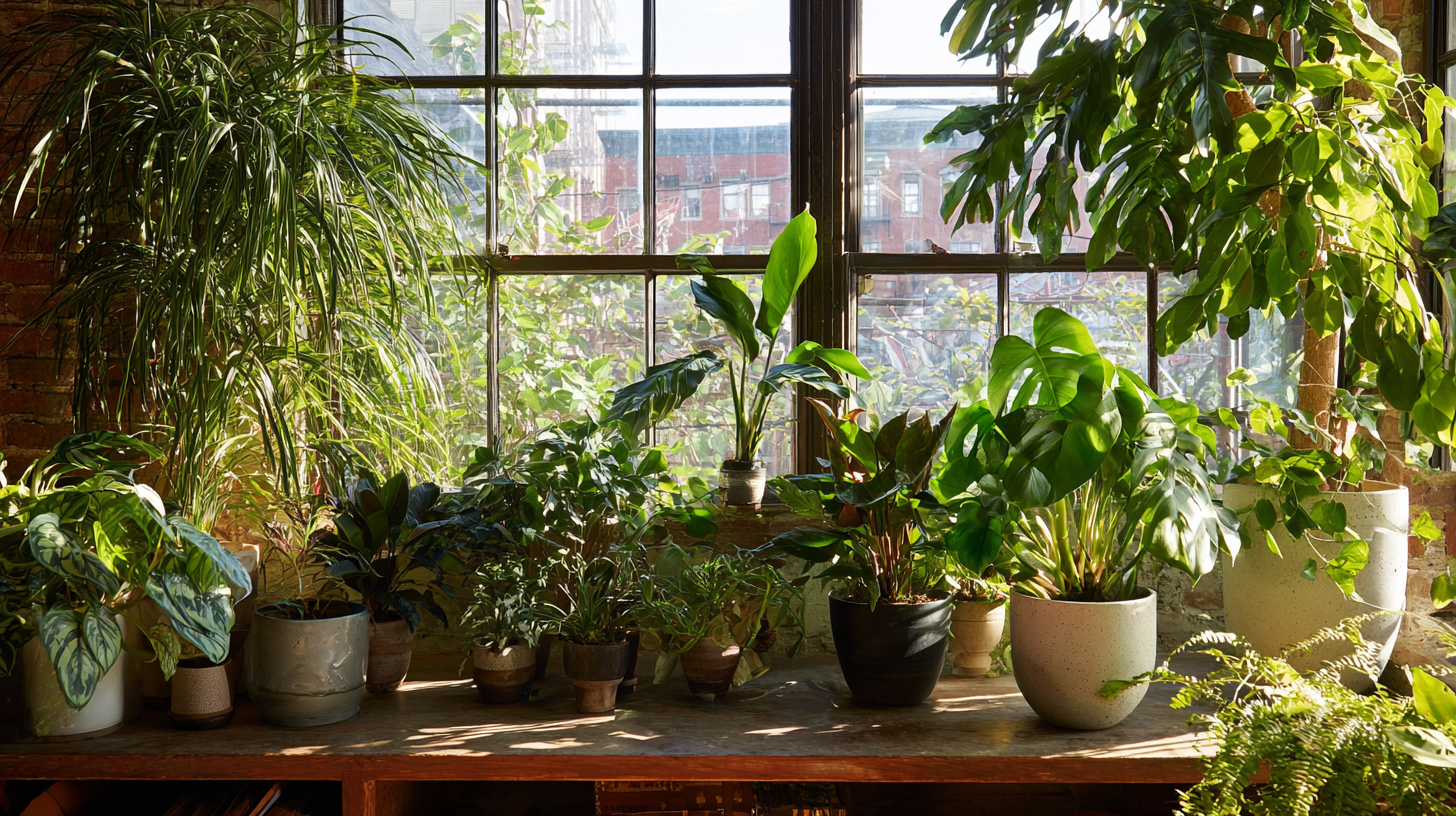
Indoor plants transform living spaces, purify air, and bring a sense of calm to our environments. Yet many people avoid them, believing plants require expertise they don't have. The truth is that many houseplants thrive with minimal attention, making them perfect for beginners or anyone with a busy lifestyle.
Why Grow Indoor Plants?
Before exploring specific plants, understanding the benefits helps motivate your plant care journey.
Air quality improvement: Plants absorb carbon dioxide and release oxygen. Some species also remove toxins from indoor air.
Mental health benefits: Studies show plants reduce stress, improve mood, and increase feelings of well-being.
Aesthetic enhancement: Plants add color, texture, and life to any room.
Humidity regulation: Plants release moisture, which can benefit dry indoor environments.
Connection to nature: Caring for plants provides a sense of accomplishment and connection to the natural world.
Understanding Plant Needs
All plants need light, water, and nutrients, but requirements vary dramatically. Matching plants to your environment is the key to success.
Light Levels in Your Home
Observe your spaces throughout the day to understand light conditions:
Bright direct light: South-facing windows with several hours of direct sunlight
Bright indirect light: Near windows but not in direct sun, or filtered through sheer curtains
Medium light: Interior rooms with natural light, or several feet from windows
Low light: Rooms with small windows, north-facing windows, or areas far from light sources
Most beginner-friendly plants prefer bright indirect to medium light, avoiding harsh direct sun and very dark corners.
Watering Basics
Overwatering kills more houseplants than underwatering. Learn to water properly:
Check soil moisture: Insert your finger an inch into the soil. If it's dry, water. If moist, wait.
Water thoroughly: When you water, soak the soil completely until water drains from the bottom.
Empty saucers: Don't let plants sit in standing water.
Adjust seasonally: Plants need less water in winter when growth slows.
Best Beginner Plants
These plants tolerate neglect and recover well from care mistakes.
Pothos (Epipremnum aureum)
Perhaps the most forgiving houseplant available, pothos tolerates low light, irregular watering, and general neglect.
Light: Adapts to low to bright indirect light
Water: Allow soil to dry between waterings
Special features: Trailing vines grow quickly, can be propagated easily in water
Tips: Yellow leaves often mean overwatering; brown, crispy leaves indicate underwatering
Snake Plant (Sansevieria)
Also called mother-in-law's tongue, snake plants thrive on neglect and clean indoor air effectively.
Light: Tolerates low light to bright indirect light
Water: Allow soil to dry completely; water every 2-6 weeks depending on conditions
Special features: Upright, architectural form; excellent air purifier
Tips: Root rot is the main threat; err on the side of underwatering
ZZ Plant (Zamioculcas zamiifolia)
With waxy, dark green leaves, ZZ plants handle low light and drought remarkably well.
Light: Low to bright indirect light
Water: Allow soil to dry completely; water every 2-4 weeks
Special features: Glossy leaves, modern appearance, extremely low maintenance
Tips: New growth starts light green and darkens as it matures
Spider Plant (Chlorophytum comosum)
Spider plants produce charming baby plants on long stems and adapt to various conditions.
Light: Bright to medium indirect light
Water: Water when top inch of soil is dry
Special features: Produces babies (spiderettes) that can be propagated; air-purifying
Tips: Brown tips often indicate fluoride in tap water; use filtered water if this occurs
Rubber Plant (Ficus elastica)
With large, dramatic leaves, rubber plants make a statement while requiring minimal care.
Light: Bright indirect light; tolerates medium light
Water: Water when top inch of soil is dry
Special features: Large, glossy leaves in green, burgundy, or variegated varieties
Tips: Wipe leaves occasionally to remove dust and maintain glossy appearance
Peace Lily (Spathiphyllum)
One of few flowering plants that thrives in low light, peace lilies signal when they need water by drooping.
Light: Low to medium light; no direct sun
Water: Water when leaves begin to droop slightly
Special features: White flowers, excellent air purifier, communicates its needs clearly
Tips: If leaves droop, water immediately and they'll recover within hours
Philodendron
Available in many varieties, philodendrons offer easy care with beautiful foliage.
Light: Medium to bright indirect light
Water: Water when top inch of soil is dry
Special features: Heart-shaped leaves, trailing or climbing growth, easy propagation
Tips: Yellow leaves usually indicate overwatering
Aloe Vera
Beyond its healing properties, aloe vera is remarkably easy to grow.
Light: Bright indirect to direct light
Water: Allow soil to dry completely between waterings
Special features: Gel inside leaves soothes burns and skin irritations
Tips: Needs well-draining soil and a pot with drainage holes
Essential Supplies
Starting with the right supplies prevents common problems.
Pots and Containers
Drainage holes: Essential for preventing root rot. If you love a pot without drainage, use it as a cover pot over a plastic nursery pot.
Size: Choose pots only slightly larger than the plant's root ball.
Material: Terra cotta breathes well and helps prevent overwatering; plastic retains moisture longer.
Soil
All-purpose potting mix: Works for most houseplants.
Succulent/cactus mix: Use for aloe, snake plants, and other drought-tolerant plants.
Perlite: Adding this improves drainage in standard potting mix.
Tools
Watering can: With a narrow spout for controlled watering.
Spray bottle: For misting humidity-loving plants.
Scissors or pruning shears: For trimming dead leaves and shaping plants.
Common Mistakes to Avoid
Overwatering
The most common plant killer. When in doubt, don't water. Most plants recover better from underwatering than overwatering.
Insufficient Light
Even low-light plants need some light. Rooms with no natural light won't support plant life without grow lights.
Ignoring Drainage
Pots without drainage holes, or plants sitting in water, develop root rot. Always ensure water can escape.
Moving Plants Too Often
Plants adapt to their environment. Frequent moves stress them. Find a good spot and let your plant settle.
Expecting Instant Results
Plants grow slowly. Be patient and consistent with care rather than making frequent changes.
Troubleshooting Common Problems
Yellow Leaves
Overwatering: The most common cause. Check soil moisture and reduce watering.
Old age: Lower leaves naturally yellow and die as plants grow.
Nutrient deficiency: If overall yellowing occurs, consider fertilizing.
Brown Leaf Tips
Low humidity: Common in heated or air-conditioned homes. Mist plants or use a humidifier.
Chemicals in water: Fluoride and chlorine can cause browning. Use filtered water.
Underwatering: Soil too dry too long causes crispy tips.
Drooping
Underwatering: Most common cause. Water thoroughly.
Overwatering: Check soil; if wet and drooping, root rot may have set in.
Shock: Plants may droop after being moved or repotted. Give them time.
Pests
Common indoor pests: Fungus gnats, spider mites, mealybugs, scale.
Prevention: Inspect new plants before bringing them home; quarantine new additions.
Treatment: Wipe leaves with diluted neem oil or insecticidal soap.
Growing Your Collection
Once you succeed with easy plants, you might want to expand.
Build confidence first: Master the basics before attempting difficult plants.
Research before buying: Understand care requirements before bringing a plant home.
Consider your environment: Choose plants that match your available light and humidity.
Join communities: Online plant groups provide advice and support.
Start with one or two plants, learn their rhythms, and add more as your confidence grows. The goal isn't to have the most plants but to have thriving plants that enhance your life and space.
Tags
Written by
Morgan Park
A contributing writer at InsightWireDaily. Our team is dedicated to providing well-researched, accurate, and helpful content to our readers.
Learn more about our teamRelated Articles

Building a Minimalist Wardrobe: Quality Over Quantity
Learn how to create a functional, versatile wardrobe with fewer pieces that you actually love wearing every day.

Morning Routine Optimization: Start Your Day Right
Design a morning routine that energizes you, increases productivity, and sets a positive tone for your entire day.

Digital Detox Strategies: Reclaiming Your Attention
Practical approaches to reducing screen time, breaking phone addiction, and creating a healthier relationship with technology.